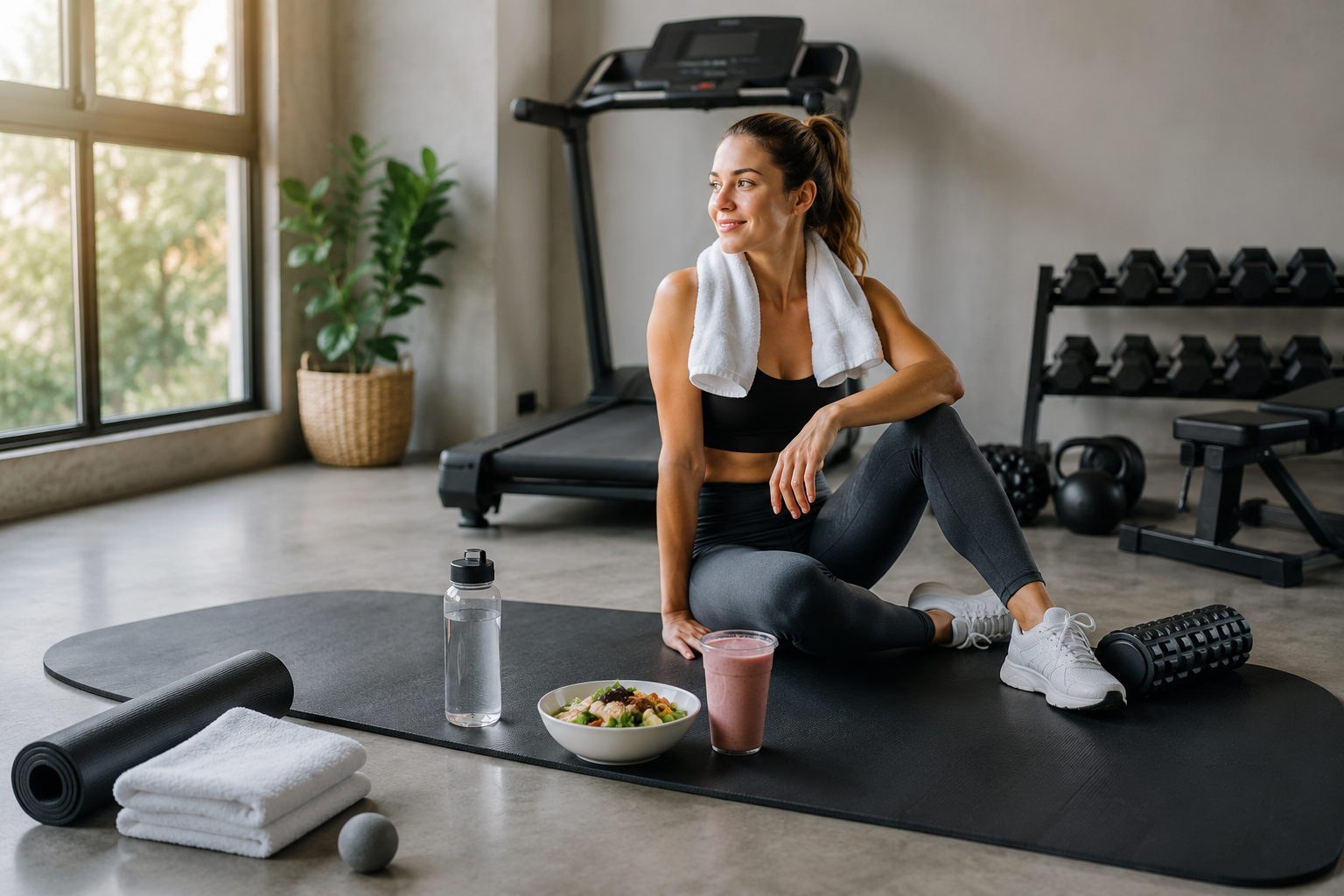
There’s nothing quite like finishing a good workout session at the gym. But here’s the thing nobody tells you when you actually get stronger. That happens later, quietly, while you’re asleep or eating dinner or doing absolutely nothing at all. Skip the recovery side, and you’re just accumulating fatigue, which eventually turns into soreness that won’t quit, a plateau, or an injury that puts you on the sidelines for a month. Recovery is the thing that actually makes the training stick. Get the right gym recovery equipment whether you are in Australia or any other place, and you keep showing up, week after week, without falling apart.
Why Post-Workout Recovery Matters
People treat rest like the boring bit you rush through to get back to lifting. In reality, it’s not; if anything, it’s the harder-working half of the whole process. Let’s learn exactly why it is so important.
- Accelerated muscle repair: Training hard shreds your muscle fibers, tiny tears all through the tissue. Rest is when your body goes in and stitches those tears back together, thicker and tougher than they were before.
- Reduced injury risk: Fatigue makes you sloppy. Recovered muscles, with the help of gym recovery equipment, protect your joints properly, so you can train well later.
- Improved mental focus: It’s not just your muscles that work hard but also your nervous system, and that part’s easy to forget. Give it a real break; your head clears and stress drops.
- Better exercise performance: Train without resting, and you’ll be tired out early. People who get proper recovery lift heavier weights. They move faster. It’s consistency that builds real strength, not sheer grinding effort alone.
What are the Key Steps for Better Workout Recovery?
There are some essential points that you need to keep in mind for achieving workout recovery the right way with the help of gym recovery equipment. Have a look at them for a better understanding:
Rehydrate and Replenish Your Body
Start with water, obviously, but don’t underestimate how much you lose in Australian heat during a hard session. Your joints need that fluid back just to move properly. A small pinch of electrolytes helps if cramps have been an issue; no need to overdo it. And here’s the part people get wrong: they chug a huge bottle in one go instead of sipping steadily through the rest of the afternoon.
Prioritise Protein and Nutrient-Rich Foods
What you eat afterwards matters more than most people give it credit for. Chicken, eggs, lentils- whatever gets you real protein, ideally not too long after you finish training. Add a complex carb on the side: sweet potato, brown rice, something along those lines. Between the two, you’re giving your body the amino acids it actually needs to rebuild the tissue that just got torn apart. Fresh produce grown locally helps too.
Get Enough Quality Sleep
Sleeping well is one of the most important things for proper recovery. Growth hormone release happens during deep sleep; that’s when the real repair work gets done. Seven to nine hours is the target. Dark, quiet, a bit on the cool side. Keep it consistent night to night, and you’ll notice yourself bouncing back quicker within a couple of weeks.
Try Gentle Movement and Active Recovery
Spending the whole day on the couch sounds like the obvious move after a hard session, but it usually backfires; you end up stiffer than if you’d just moved a little. An easy beach walk works. So does a slow bike ride. Some people would rather stay indoors, and honestly, you can buy fitness equipment online and set up something low-key at home for exactly this.
Use Stretching to Relax Tight Muscles
Tight muscles after training? That is normal. Stretching is what brings the flexibility back. Hamstrings, calves, chest- wherever feels locked up that day. Thirty seconds per stretch on gym recovery equipment, roughly. Breathe through it slowly, and you’ll actually feel your heart rate drop while you’re holding the position. Do this often enough, and your range of motion keeps improving, session after session.
Explore the Benefits of Ice Baths
Cold water immersion with the help of an ice bath in Australia has a loyal following among athletes. The cold tightens up your blood vessels, which knocks down swelling and dulls that deep, aching soreness fast. It is best to ask an experienced individual or doctor about how long you should practice this for to get the best results.
Relax and Recover in a Sauna
Heat does the opposite of cold but somehow lands you in a similar place. Sitting in your home sauna in Australia gets circulation moving across your whole body and eases muscle tension that stretching alone might miss. Balance it with genuine rest and you walk out actually feeling rebuilt, not just relaxed.
Give Your Muscles Time to Rest
Hammering your body every single day, no breaks, is basically a shortcut to burnout. Spread your hardest sessions across the week instead, and rotate muscle groups so nothing’s constantly under load. Your body usually tells you when it’s had enough; listen to that. Schedule your rest days and also use gym recovery equipment ahead of time.
Conclusion
Getting stronger takes just as much work in recovery as it does in the gym. Hydrate properly, eat well, sleep as it matters, and the results tend to follow on their own. Stretching, easy movement, ice baths, and sauna are what keep your joints and muscles from breaking down under consistent training. Building a proper setup at home with fitness equipment Melbourne trainers swear by makes staying consistent a lot easier. This doesn’t happen overnight, though. Progress takes patience, plain and simple. Pay attention to what your body’s telling you, give it what it actually needs, and the rest tends to sort itself out.
About the Author