High eye pressure, also known as ocular hypertension, occurs when the pressure inside the eye is higher than the usual range. While elevated intraocular pressure is an important risk factor for glaucoma, having high eye pressure does not necessarily mean that a person has glaucoma. Glaucoma develops when the optic nerve becomes damaged, often in association with increased eye pressure, and can eventually lead to permanent vision loss if left untreated.
For those who have consistently elevated eye pressure, changes in the optic nerve or suspected glaucoma, seeing a glaucoma surgeon Singapore may be appropriate. A consultation with a glaucoma surgeon in Singapore can help determine whether treatment is needed and whether options such as eye drops, laser treatment or surgery may be suitable. Seeking assessment early can also help identify glaucoma-related changes before significant vision loss occurs.
What Causes High Eye Pressure?
To understand why eye pressure becomes elevated, it helps to know how fluid normally moves through the eye. A clear fluid called aqueous humour is continuously produced inside the eye and normally drains through a network of structures around the front of the eye. When this fluid does not drain efficiently, pressure can build up within the eye.
Several factors may contribute to ocular hypertension. Age is one consideration as the risk of glaucoma tends to increase over time. Having a close family member with glaucoma can also increase an individual’s risk. Previous eye injuries, certain eye conditions and prolonged use of some medications, particularly corticosteroids, may also be associated with increased eye pressure.
However, the cause and significance of high eye pressure can vary between individuals. Some people may have elevated pressure without developing glaucoma, while others can experience optic nerve damage even when their eye pressure is not particularly high. This is why an eye examination and appropriate monitoring are important rather than relying on eye pressure readings alone.
When Is High Eye Pressure A Cause For Concern?
High eye pressure often causes no noticeable symptoms, particularly in the early stages. A person may have normal vision while changes are occurring to the optic nerve. This is why regular eye examinations are important, especially for people with a family history of glaucoma or previously elevated eye pressure. Persistently high eye pressure may require closer monitoring and tests such as optic nerve assessment, visual field testing and intraocular pressure measurements. These help determine whether glaucoma-related damage is present.
Changes such as reduced peripheral vision, persistent blurred vision or difficulty seeing should prompt an eye assessment. Sudden eye pain, severe redness, blurred vision, halos around lights, nausea or vomiting require urgent medical attention. High eye pressure does not always mean glaucoma, but appropriate assessment can help determine whether treatment or continued monitoring is needed.
When Should You See A Glaucoma Surgeon Singapore?
You may be referred to a glaucoma surgeon if your eye pressure remains consistently high, tests show changes to the optic nerve or you have been diagnosed with glaucoma. A consultation may also be considered when glaucoma is progressing despite the use of prescribed eye drops or other treatments.
During the assessment, the doctor will consider factors such as your intraocular pressure, optic nerve health, visual field results and overall risk of vision loss. Not everyone with high eye pressure will require surgery. In some cases, regular monitoring or medication may be sufficient.
What Happens During A Glaucoma Assessment?
A glaucoma assessment involves several tests to evaluate eye pressure, optic nerve health and vision. Depending on your symptoms and risk factors, your assessment may include:
- Intraocular pressure measurement:Checks the pressure inside the eye.
- Optic nerve examination:Looks for signs of damage associated with glaucoma.
- Visual field testing:Assesses peripheral vision and identifies areas of reduced sensitivity.
- Optical coherence tomography (OCT):Produces detailed images of the optic nerve and retinal structures.
- Medical and family history review:Identifies factors that may increase your risk of glaucoma.
These assessments help determine whether you have ocular hypertension, glaucoma or an increased risk of developing the condition.
Treatment Options For High Eye Pressure and Glaucoma
Treatment depends on the level of eye pressure, the health of the optic nerve and whether glaucoma-related damage is present. Not everyone with high eye pressure requires surgery. Depending on the individual situation, treatment may include:
- Prescription eye drops:These can help lower eye pressure by reducing fluid production or improving fluid drainage.
- Laser treatment:Certain laser procedures can improve fluid drainage and reduce pressure.
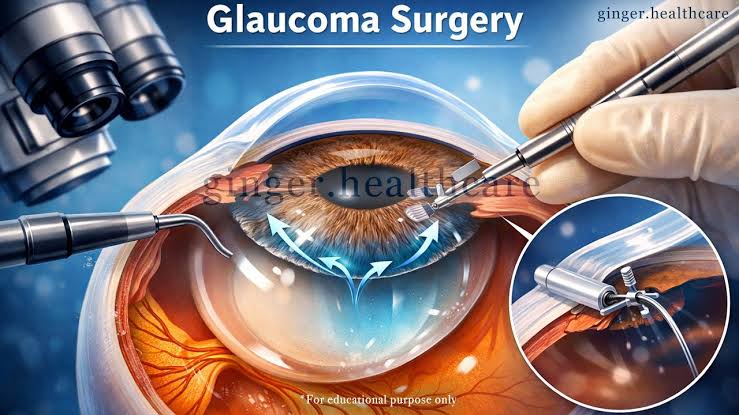
- Glaucoma surgery:Surgery may be considered when eye pressure remains uncontrolled or glaucoma continues to progress despite other treatments.
The aim of treatment is to control eye pressure and reduce the risk of further optic nerve damage. Your ophthalmologist can assess your condition and discuss which approach may be appropriate based on your individual needs.
Conclusion
High eye pressure does not always mean glaucoma, but persistent elevation can increase the risk of optic nerve damage. Regular eye assessments can help identify changes early and determine whether monitoring, medication, laser treatment or surgery may be appropriate.
If you have concerns about high eye pressure or glaucoma, consider arranging an assessment to discuss your condition and treatment options. Looking for assessment for high eye pressure or glaucoma concerns? Arrange a visit to our clinic at:
Chelvin Sng Eye Centre – Glaucoma | Cataract Surgery | Retina Specialist | Ophthalmologist Singapore
Mount Elizabeth Novena Hospital
38 IRRAWADDY ROAD MT ELIZABETH NOVENA SPECIALIST CENTRE, #06-25, 329563
Phone: 6334 2282
About the Author