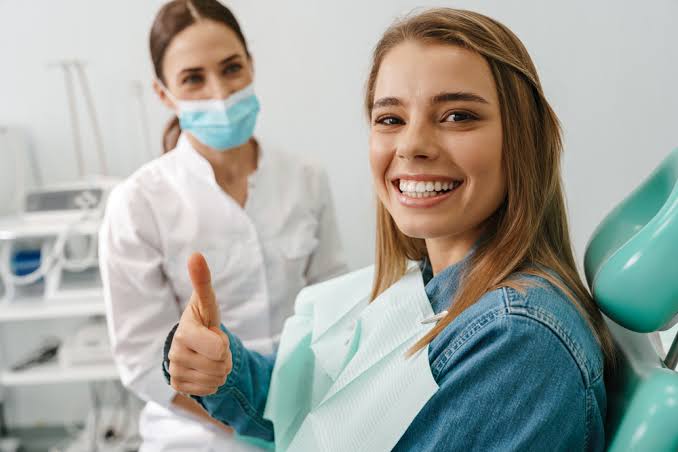
Skipping the dentist because the thought alone makes your stomach drop is far more common than most people admit. According to the CDC, an estimated 36% of the population has some level of dental anxiety, with 12% having extreme fear. That’s not a small fringe group — that’s a significant chunk of the adult population quietly avoiding care they genuinely need.
The problem with avoidance is that it creates a cycle. The longer you wait, the more likely a small issue becomes a bigger one, and that bigger issue feels even more intimidating to deal with. Dental anxiety and fear not only result in poor oral health, but they also affect a person’s overall well-being and can pave the way for other health problems, low self-esteem, and self-doubt.
Here’s the good news: dental anxiety is manageable. Real, practical strategies exist that help people walk through that office door with far less dread. These seven approaches work whether you’re someone who gets a little nervous or someone who has been putting off a visit for years.
1. Name Your Fear Out Loud
Most anxiety lives in vague, unnamed dread. The moment you get specific about what scares you, it loses some of its grip. Are you afraid of needles? The sound of the drill? The feeling of losing control while sitting in a chair? A past experience that went badly?
The most powerful thing you can do at the start of your journey is to simply admit it. Say it out loud or write it down. This small act takes away its power, turning vague dread into a specific problem you can start to solve. When you can pinpoint where your fear is coming from, it becomes a lot more manageable.
Write it down before your appointment and bring that list with you. Your care team can only help you if they know what they’re working with. You might find that once you’ve named it, you’ve already done the hardest part.
2. Talk to Your Dentist Before the Appointment Even Starts
One of the biggest mistakes anxious patients make is staying quiet. They white-knuckle through the appointment and leave feeling relieved it’s over, only to dread the next one just as much. That pattern doesn’t need to continue.
The key to coping with dental anxiety is to discuss your fears with your dentist. Once your dentist knows what your fears are, they’ll be better able to work with you to determine the best ways to make you less anxious and more comfortable.
Call ahead, or mention it when you arrive. Ask questions about what each step involves before it happens. A good dental team won’t rush you or dismiss your concerns. If they do, that’s actually useful information: it tells you that you may want to find a different provider who specializes in anxious patients. A kitchener dentist who emphasizes personalized, gentle care can make a measurable difference in how you experience every single visit.
3. Schedule Your Appointment at the Right Time of Day
Timing sounds like a small detail, but for anxious patients it really isn’t. If you’re naturally afraid to go to the dentist, scheduling appointments during busy or stressful times is detrimental. Trying to cram in a procedure during your lunch hour can cause undue stress and anxiety. Instead, give yourself more than enough time to prepare, and choose a day where you’re not burdened with other activities and engagements.
For most people, mid-morning slots on lighter weekdays work well. You haven’t had a full day of stress building up, and you’re not rushing from somewhere else. Some practices also offer Saturday or early-morning appointments specifically for people who struggle to fit dental care into a standard weekday, which removes yet another layer of friction.
Give yourself buffer time on both ends of the appointment. Rushing in and rushing back out adds to your nervous system’s load when it’s already running high.
4. Use Controlled Breathing to Calm Your Nervous System
You might roll your eyes at “just breathe,” but controlled breathing is backed by solid physiological reasoning. When you’re anxious, your body activates its stress response. Slow, deliberate breathing triggers the parasympathetic nervous system, which is the biological counterweight to fight-or-flight. You can’t manually calm your heart rate through willpower, but you can do it through your breath.
A simple pattern that works: inhale slowly through your nose for four counts, hold for four counts, exhale through your mouth for six counts. Repeat this a few times in the waiting room and again whenever tension spikes during a procedure. It won’t eliminate anxiety, but it puts a meaningful floor under how uncomfortable you feel.
Combine this with a physical anchor, like pressing your feet flat to the floor or squeezing your hands gently, to give your body something grounding to focus on. According to WebMD’s guide on easing dental fear in adults, combining communication with active coping strategies leads to better outcomes for anxious patients across the board.
5. Bring a Distraction That Actually Works for You
Many dental offices now allow patients to wear headphones or earbuds during procedures. This is one of the most effective low-effort tools available to anxious patients because it addresses one of the most common triggers: the sound of dental equipment.
Put together a playlist or podcast that you genuinely enjoy, something you’d normally listen to on a good day, not just background noise. Familiar, enjoyable audio gives your brain somewhere else to be. If your dentist office doesn’t mention it, ask. Most providers are happy to accommodate this.
If audio isn’t your thing, some patients do well with a fidget object in their non-dominant hand, or with requesting a blanket or neck pillow. The goal is simple: reduce how exposed and vulnerable the chair makes you feel. Any adjustment that does that is worth asking for.
6. Understand the Oral Health-Body Connection to Raise Your Motivation
Sometimes the best way to push through anxiety is to genuinely understand what’s at stake if you don’t. The connection between oral health and overall physical health is far stronger than most people realize.
The oral cavity serves as a critical indicator of overall health and is inextricably linked to chronic disorders. Neglecting oral health can exacerbate localized pathologies and accelerate the progression of chronic conditions, whereas effective management has the potential to reduce their incidence.
Recent studies reveal that oral bacteria can migrate to the heart, potentially contributing to cardiovascular disease. Porphyromonas gingivalis, a bacteria associated with gum disease, has been found in arterial plaques, suggesting a direct link between oral health and heart disease.
Your mouth isn’t separate from your body. It’s the entrance point. The mouth is the primary access point for the nutrition and oxygen every living body needs to survive, and research supports the notion that good oral health is an essential part of your overall well-being. Knowing this doesn’t make the chair more comfortable, but it does reframe the stakes. You’re not going for a drill and a bill. You’re making a decision that affects your cardiovascular system, your immune health, and your long-term quality of life.
For a deeper look at the science here, the National Institute of Dental and Craniofacial Research’s “Healthy Mouth, Healthy Body” resource is a solid, research-backed read that puts the oral-systemic connection in plain language.
7. Ask About Sedation Dentistry Options
For patients whose anxiety is severe enough that the previous strategies don’t get them through the door, sedation dentistry is a genuinely valid and widely available option. It’s not a sign of weakness, and it’s not reserved for extreme surgical cases.
Sedation dentistry isn’t a last resort. It’s a planned, safe, and respectful way to make essential dental care accessible for everyone, regardless of their anxiety level. Options vary from nitrous oxide (laughing gas) that wears off quickly to oral sedatives taken before the appointment to, in more involved cases, IV sedation administered at the office.
The practical upside of sedation for highly anxious patients is that it often allows multiple procedures to be completed in fewer visits, which actually reduces the total number of times you need to face the experience. Fewer visits, less overall stress. Ask your dental provider which options they offer and which would fit your situation. Many practices keep at least one or two sedation options available for patients who need them.
It’s essential that you find a good dentist, preferably one that specializes in treating patients with anxiety and dental-related fears. The right environment and the right team make sedation or any other anxiety-management approach far more effective.
A Quick Reference: Matching Your Anxiety Level to the Right Strategy
| Anxiety Level | Best Starting Strategy | Backup Option
|
| Mild nerves before appointments | Controlled breathing, smart scheduling | Headphones and a good playlist |
| Moderate anxiety (avoids non-urgent visits) | Open conversation with dentist, bring a written list of fears | Nitrous oxide (laughing gas) |
| Severe anxiety or phobia (avoids all visits) | Find a dentist specializing in anxious patients | Oral sedation or IV sedation options |
| Past trauma from dental experiences | Gradual exposure, starting with a no-procedure consultation | Therapist referral, sedation dentistry combined |
The Bottom Line
Dental anxiety is real, it’s common, and it’s not something you need to simply push through alone. The strategies above work at different levels, and the smartest move is to layer them. Smart scheduling plus controlled breathing plus honest communication with your dentist gets you much further than any single tactic on its own.
Your anxiety about the chair doesn’t have to be permanent. Most people find that a single good experience with a provider who actually listens is enough to shift the pattern. That first step, picking up the phone or booking that appointment, is genuinely the hardest one. Everything after it tends to be easier than you expected.
For anyone wanting to read more about the proven science behind managing dental fear, Mayo Clinic’s overview of oral health and overall well-being is a trustworthy place to start. Your mouth, your body, and your peace of mind are all worth the effort.
About the Author