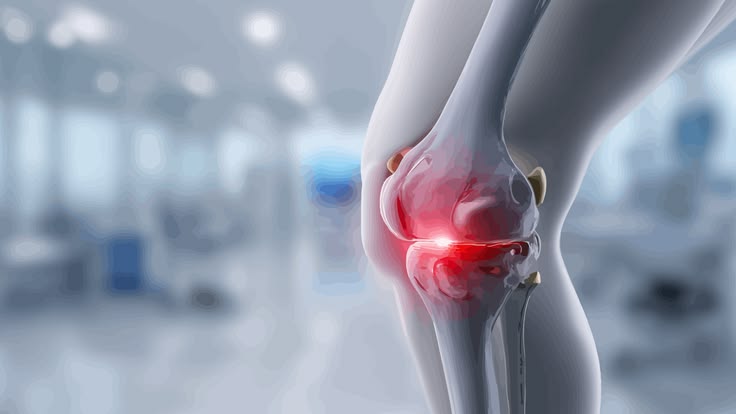
Knee injuries are among the most common problems seen in athletes, weekend sports enthusiasts, and active adults in Singapore, especially with the popularity of running, football, gym training, and recreational sports. Conditions such as ligament sprains, meniscus tears, and overuse injuries can quickly affect mobility and daily function, often presenting with pain, swelling, stiffness, or a feeling of instability in the knee.
These symptoms frequently prompt individuals to seek medical attention at a sports injuries clinic, where specialised assessment and targeted treatment are available. At a sports injuries clinic in Singapore, early and accurate diagnosis is essential, as timely management not only relieves symptoms but also helps prevent long-term joint damage and reduces the risk of chronic instability or recurrent injury.
Common Knee Injuries Seen at a Sports Injuries Clinic
Knee injuries presenting at a sports injuries clinic can result from both sudden trauma and repetitive overuse. They often affect athletes, active adults, and individuals involved in recreational sports, and typically present with pain, swelling, reduced function, or mechanical symptoms such as locking or instability.
Common knee conditions include:
- Ligament injuries (ACL, MCL, PCL, LCL injuries)
Often caused by twisting, pivoting, or direct contact during sports such as football, basketball, or skiing. These injuries may lead to instability or a “giving way” sensation. - Meniscus tears
Frequently occur from rotational movements with the foot planted. Symptoms may include joint line pain, swelling, clicking, or locking of the knee. - Patellar tendinopathy (Jumper’s Knee)
An overuse injury seen in jumping sports and gym training, causing pain at the front of the knee, especially during activity. - Patellofemoral pain syndrome (Runner’s Knee)
Common in runners and cyclists, characterised by pain around or behind the kneecap, often worsened by stairs, squatting, or prolonged sitting. - Cartilage injuries and early degeneration
May develop after trauma or repeated stress, leading to swelling, stiffness, and reduced tolerance for impact activities.
Initial Assessment and Diagnosis
At a sports injuries clinic, accurate diagnosis is the foundation of effective knee injury management. Because many knee conditions present with overlapping symptoms, a structured and systematic assessment is essential to identify the exact structure involved and determine the severity of injury.
This is followed by a focused physical examination, which may include:
- Assessment of swelling, range of motion, and joint alignment
- Ligament stability tests (e.g., ACL, MCL stress tests)
- Meniscal tests to detect joint line tenderness or mechanical symptoms
- Functional assessments such as squat, hop, or gait analysis
When necessary, imaging is used to confirm the diagnosis and assess the extent of injury:
- X-rays: Useful for ruling out fractures or assessing bone alignment
- MRI scans: Provide detailed evaluation of ligaments, meniscus, cartilage, and soft tissue structures
- Ultrasound: Sometimes used for superficial tendon or soft tissue assessment
At a sports injuries clinic, these findings are integrated to form a clear diagnosis and guide an individualized treatment plan.
Non-Surgical Treatment Options
At a sports injuries clinic, many knee injuries can be effectively managed without surgery, particularly in cases where the injury is mild to moderate or responding well to early treatment. Common non-surgical treatment options include:
- Activity modification and relative rest
Reducing or avoiding movements that worsen pain while maintaining safe levels of activity where possible. - Physiotherapy and rehabilitation
Targeted exercises to improve strength, flexibility, balance, and knee stability. - Bracing or support devices
Used in selected cases to provide external stability and protect healing structures. - Anti-inflammatory medication
Helps reduce pain and swelling during the acute or recovery phase. - Progressive return-to-activity planning
A structured and gradual increase in loading to reduce the risk of re-injury.
These approaches are combined and tailored to the individual, ensuring recovery is both safe and functionally effective for return to sport or daily activities.
Minimally Invasive and Injection-Based Treatments
At a sports injuries clinic, minimally invasive and injection-based treatments are considered when symptoms persist despite appropriate non-surgical management or when more targeted intervention is required to support healing and pain control. Common approaches include:
- Arthroscopic procedures
Keyhole surgery that allows direct visualisation and treatment of intra-articular problems such as meniscus tears or cartilage damage, often with smaller incisions and faster recovery compared to open surgery. - Corticosteroid injections
Used selectively to reduce inflammation and pain in conditions such as synovitis or flare-ups of degenerative knee conditions. - Hyaluronic acid injections
Aimed at improving joint lubrication and reducing pain in selected degenerative or overuse-related conditions. - Platelet-rich plasma (PRP) therapy
Utilises concentrated growth factors from the patient’s own blood to support tissue healing in selected tendon or cartilage-related injuries.
Surgical Treatment Options for Knee Injuries
At a sports injuries clinic, surgery is recommended when knee injuries are severe or do not improve with conservative treatment. The aim is to restore stability, reduce pain, and support a safe return to activity. Common surgical options include:
- ACL reconstruction: Replaces a torn ligament to restore knee stability, especially for pivoting sports injuries.
- Meniscus repair or trimming: Repairs or removes damaged cartilage depending on tear type and location.
- Cartilage procedures: Techniques such as microfracture to address focal cartilage damage.
- Realignment surgery: Corrects abnormal knee loading in selected cases.
Conclusion
Knee injuries are common among active individuals and can range from mild overuse problems to more significant ligament or cartilage damage. With the right assessment and treatment, most patients are able to recover well and return to their preferred activities.
A structured approach at a sports injuries clinic ensures that the underlying cause is identified early and managed appropriately, whether through rehabilitation, minimally invasive procedures, or surgery when necessary. For assessment, diagnosis, and management of knee injuries, you may contact our clinic, at:
Ray of Health
1 Orchard Blvd, Singapore 248649
Phone: 6235 8781
About the Author