A wall painted in soft beige may look just right in the afternoon sun, only to turn noticeably yellow under the living room lights at night. It happens more often than you’d think. The light in a room can change how paint colours appear, sometimes bringing out undertones you barely noticed on the colour chart. Choosing the right two colour combination takes some testing, especially if you want both shades to look good throughout the day. Here are a few colour pairings that work well in different lighting conditions, along with what to expect from each combination:
Which Two Colour Combinations Work Well in Different Lighting Conditions?
The trick is to choose shades that still look good when the sunlight fades and the lamps come on. Some combinations are easy to live with, and they range from quiet neutrals to deeper colours that give a room more character.
Cream and Warm Beige
Cream walls with beige on an adjoining wall make a relaxed choice for living rooms and bedrooms. The shades are close, so the change in lighting is less jarring. Wooden furniture fits right in.
White and Soft Grey
White keeps the room looking open, and soft grey adds contrast without taking over. This combination suits modern flats, particularly when the grey has a subtle rather than strong blue undertone.
Sage Green and Off-White
Sage green brings a little colour to the walls without making the room feel busy. Off-white helps keep the overall look light. Try this in a bedroom or a reading corner.
Light Brown and Ivory
This earthy mix works well with wooden flooring, cane furniture and linen curtains. Ivory lifts the lighter brown and keeps it from looking too heavy in the evening.
Navy Blue and Pale Grey
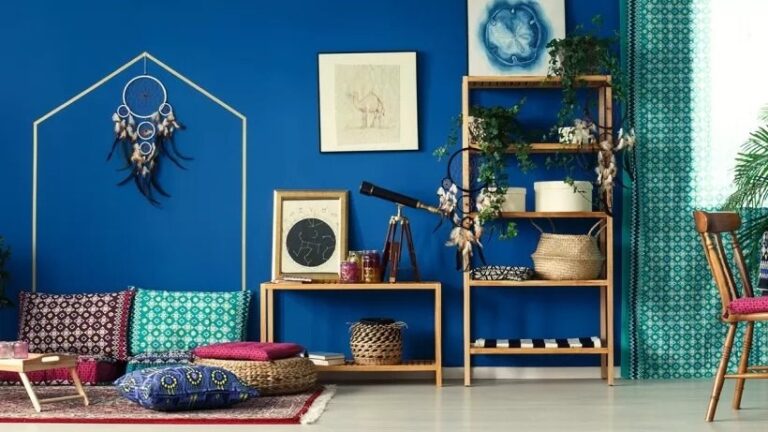
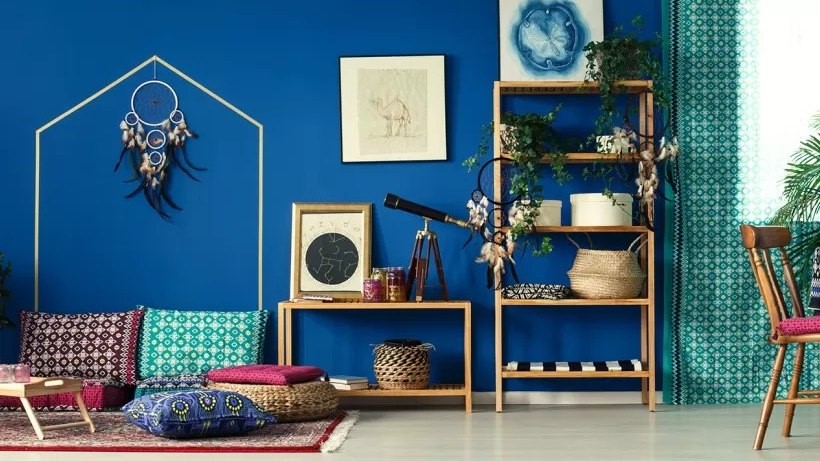
For a stronger contrast, navy blue colour on one wall can look striking beside pale grey on the others. It suits rooms with decent lighting; warm lamps can soften the deeper shade after sunset.
Blush Pink and Warm White
Blush pink adds a gentle tint, and warm white keeps it from feeling overly sweet. It can work nicely in bedrooms or smaller sitting areas. Test both shades under your evening lights, since pink undertones can shift noticeably.
Which Lighting Choices Help Two Wall Colours Look Their Best?
The right lighting can change how two wall colours look together, especially after sunset when the room relies on lamps rather than daylight.
- Choose bulbs with similar tones throughout the room. Mixing yellowish and cool white lights can make adjoining walls look mismatched.
- Cream, beige and light brown walls tend to look inviting under warm white lighting. Grey, sage green and crisp white can look clearer under neutral white bulbs.
- A floor lamp near the sofa or a bedside light can brighten corners that the ceiling light doesn’t reach. This helps both wall colours remain visible.
- Study desks, kitchen counters and reading corners need focused lighting for everyday use. Position the light so it doesn’t cast strong shadows across the walls.
Check the paint colours after dark, with your usual lights switched on. A combination that looks lovely in afternoon sunlight may appear quite different in the evening, so test the shades at home before settling on them.
How Should You Pair Wall Colours with Furniture and Flooring?
Two wall colours can look lovely on their own, but the furniture and flooring need to fit in too, or the room may feel a little disjointed.
Start with the Furniture You Already Own
A cream sofa, walnut cabinet or dark wooden bed can help narrow down your paint choices. If the furniture is dark, try combining it with ivory or a soft beige wall to keep the room from feeling heavy. Pale furniture gives you more freedom to experiment with deeper shades on one wall.
Let the Flooring Guide Your Choice
Flooring covers a large area, so its colour has a noticeable effect on the room. Honey-toned wood goes comfortably with sage green, cream and warm white. Grey stone or pale tiles can work well with soft grey and muted blue. If your floor has a strong pattern, simpler wall colours may be easier on the eye.
Bring the Colours Together with Décor
Curtains, rugs and cushions can help connect the two wall shades with the rest of the room. For instance, a beige rug can link a cream wall with a muted brown accent wall. You don’t need every item to match. Pick one or two colours that appear in both the walls and furnishings, and let the other details vary a little.
Conclusion
The right two-colour combination should look good in daylight and still feel right when the lamps are turned on. Consider your furniture, flooring and existing décor before picking the shades. Test paint samples at different times of day, since even a subtle change in lighting can affect the final look. A little checking beforehand can save you from repainting later.
About the Author