When homeowners invest in new gutters, one of the most common questions is how long they can expect their newly installed system to last. Gutters play a crucial role in protecting a home from water damage by directing rainwater away from the foundation, siding, and landscaping. The lifespan of gutters depends on several factors, including the material used, the quality of installation, local climate conditions, and ongoing maintenance. Understanding these factors can help homeowners make informed decisions about their gutter systems and ensure they get the most value and protection from their investment.
What to Expect from New Gutters
Factors That Influence Gutter Lifespan
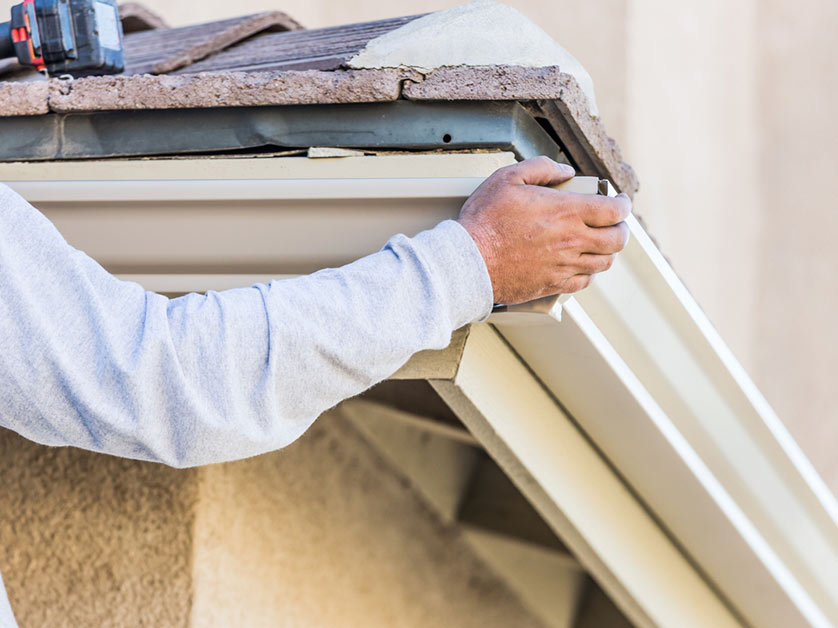
The longevity of newly installed gutters is influenced by a combination of material choice, installation quality, and environmental conditions. Aluminum gutters are among the most popular options due to their balance of affordability and durability, often lasting between 20 and 30 years with proper care. Copper gutters, while more expensive, can last up to 50 years or more, developing a natural patina that protects against corrosion. Vinyl gutters, on the other hand, are less durable and may need replacement after 10 to 20 years, especially in regions with extreme temperature fluctuations. The installation process itself is also critical; poorly installed gutters are more likely to sag, leak, or detach from the home, significantly reducing their lifespan. Additionally, homes located in areas with heavy rainfall, snow, or frequent storms may experience faster wear and tear, making regular inspections and maintenance even more important.
The Role of Maintenance in Gutter Longevity
Regular maintenance is essential for maximizing the lifespan of any gutter system. Over time, leaves, twigs, and other debris can accumulate in gutters, leading to clogs that prevent proper water flow. When water cannot drain efficiently, it can overflow and cause damage to the roof, siding, and foundation. Homeowners should clean their gutters at least twice a year, typically in the spring and fall, to remove debris and check for signs of damage. In addition to cleaning, it is important to inspect gutters for leaks, rust, or loose fasteners. Promptly addressing minor issues can prevent more significant problems and extend the life of the gutter system. For those who want to minimize maintenance, gutter guards can be installed to reduce the amount of debris that enters the gutters, though they do not eliminate the need for occasional cleaning and inspection. Choosing a reputable company for your gutter install hamburg can also ensure that your system is set up for long-term performance.
Common Signs Your Gutters Need Replacement
Even with diligent maintenance, all gutters will eventually reach the end of their useful life. Recognizing the signs that your gutters need replacement can help prevent costly water damage to your home. One of the most obvious indicators is visible sagging or separation from the roofline, which suggests that the gutters are no longer securely attached. Persistent leaks, even after repairs, are another sign that the material has deteriorated beyond simple fixes. Rust spots, holes, or cracks in metal gutters indicate that corrosion has taken hold, while vinyl gutters may become brittle and crack over time. Peeling paint or water stains on your home’s exterior can also signal that water is not being properly diverted away from the structure. If you notice any of these issues, it may be time to consider a new gutter installation to maintain your home’s protection.
How Climate Affects Gutter Durability
Climate plays a significant role in determining how long newly installed gutters will last. In regions with heavy rainfall or frequent storms, gutters are subjected to more stress and may wear out faster than in milder climates. Snow and ice can also be particularly damaging, as the weight can cause gutters to pull away from the house or even collapse. In areas with significant temperature fluctuations, materials like vinyl may expand and contract, leading to cracks and leaks over time. Coastal environments present their own challenges, as salt in the air can accelerate corrosion in metal gutters. Homeowners in these areas should consider materials that are better suited to withstand local weather conditions and may need to perform maintenance more frequently to ensure their gutters remain in good working order.
Gutter Materials and Their Expected Lifespans
The choice of gutter material is one of the most important factors in determining how long your new gutters will last. Aluminum gutters are widely used due to their resistance to rust and relatively low cost, typically lasting two to three decades with proper care. Copper gutters, while more expensive upfront, offer exceptional durability and can last half a century or more, making them a long-term investment for homeowners who want both function and aesthetic appeal. Steel gutters are strong but prone to rust if not properly maintained, usually lasting around 20 years. Vinyl gutters are lightweight and easy to install but are less durable, especially in harsh climates, and may need replacement after 10 to 20 years. Each material has its own advantages and drawbacks, so it is important to consider your budget, local climate, and maintenance preferences when selecting a gutter system.
Quick Tips for Extending Gutter Life
Keeping your gutters in good condition requires a proactive approach. Regular cleaning, prompt repairs, and periodic inspections are key to preventing issues that can shorten the lifespan of your gutter system. Installing gutter guards can help reduce the amount of debris that enters the gutters, making maintenance easier and less frequent. Ensuring that downspouts are clear and directing water away from the foundation will also help protect your home from water damage. By staying on top of these simple tasks, homeowners can maximize the longevity of their newly installed gutters and avoid costly repairs or replacements.
Conclusion
The lifespan of newly installed gutters depends on several factors, including the material chosen, the quality of installation, local climate, and ongoing maintenance. Aluminum and copper gutters tend to offer the longest service life, while vinyl and steel may require more frequent replacement, especially in challenging weather conditions. Regular cleaning and prompt repairs are essential for keeping gutters functioning properly and protecting your home from water damage. By understanding the factors that influence gutter longevity and taking a proactive approach to maintenance, homeowners can ensure their investment provides reliable protection for many years to come.
About the Author