The human eye is delicate yet essential for experiencing life fully. Modern surgical procedures focus on protecting vision while improving appearance or correcting defects. Patients seek clarity and safety before any procedure. Clinics ensure that every step is carefully planned. Choosing the right procedure requires research and consultation.
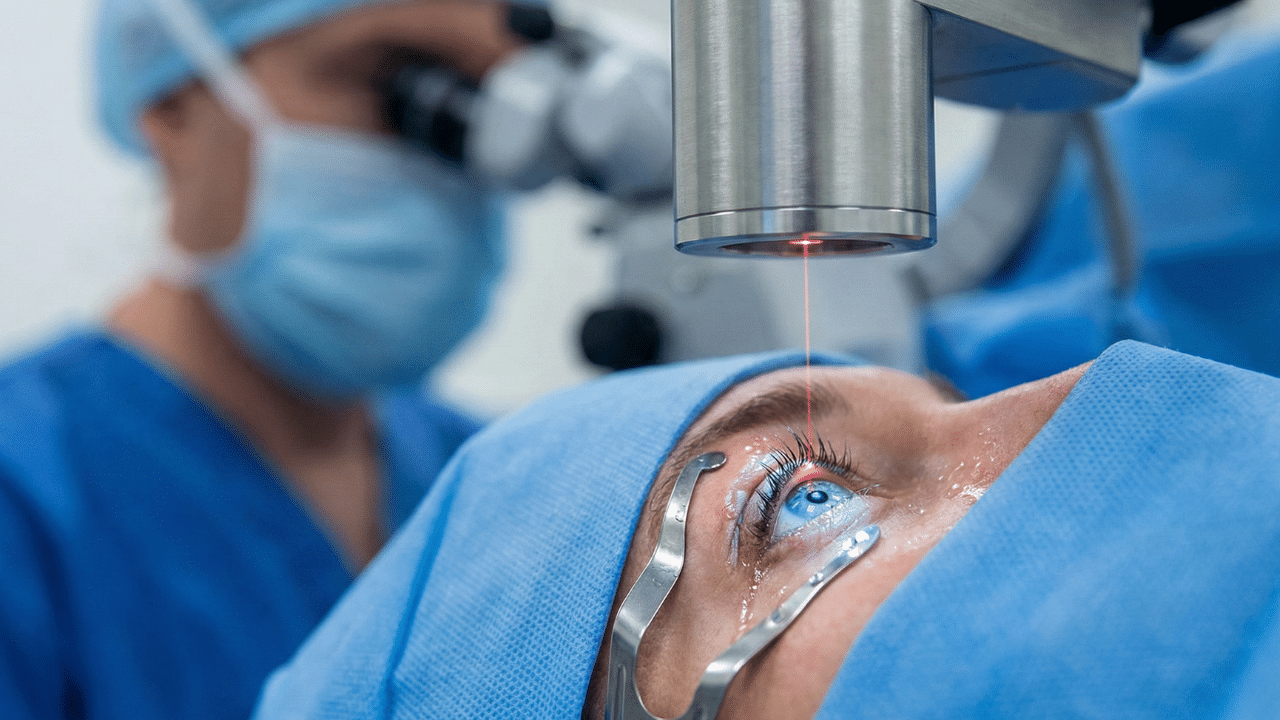
Modern surgical techniques prioritize accuracy. Cosmetic surgery for eyes now uses advanced tools that guide surgeons with precision. Laser systems and micro-instruments reduce the risk of errors. The equipment allows for exact measurements, ensuring outcomes match patient expectations. These technologies work alongside experienced surgeons to provide safer procedures. Patients feel confident knowing that innovation supports every surgical step.
Advancements in Eye Surgery Technology
Modern eye procedures rely on advanced technology to enhance precision and safety. Surgeons use high-tech instruments to plan every step carefully. Patients benefit from techniques that reduce complications and improve outcomes.
A few of the key technological advancements include the following:
- High-resolution lasers provide precise cutting and minimal tissue damage.
- Computer-assisted devices create detailed maps of the eye.
- Robotic arms maintain steady movements during delicate procedures.
- Imaging tools monitor real-time changes during surgery.
Equipment improvements ensure that results are predictable. Surgeons can plan each step with detailed imaging and simulations. Patients benefit from procedures that limit recovery time. Safety features alert medical staff to any inconsistencies during the operation. Precision instruments reduce complications and improve visual outcomes.
Minimally Invasive Techniques Reducing Recovery Time
Modern eye procedures focus on minimizing cuts to preserve tissue integrity. Micro-incisions combined with laser-assisted techniques promote faster healing and reduce strain on the eye. Patients report less discomfort and enjoy shorter recovery periods.
Smaller interventions support natural eyelid function without compromising results. Surgeons rely on magnification tools and advanced optics to ensure precision at every step. Recovery plans remain straightforward, effective, and tailored to each patient’s needs.
Preoperative Assessments and Patient Safety
Careful assessment before surgery ensures each patient receives the safest procedure. Evaluations identify unique eye characteristics and potential concerns. Surgeons use this information to design tailored surgical plans.
Some of the most important aspects of preoperative care include the following:
- Comprehensive eye exams identify unique patient needs.
- Medical history screenings prevent complications from existing conditions.
- Eye pressure and corneal thickness measurements guide procedure selection.
- Surgeons explain realistic expectations and potential recovery timelines.
These assessments create a safe framework for surgery. Knowing the patient’s condition ensures tailored interventions. Preoperative planning allows surgeons to anticipate any complications. Clear communication prepares patients for what to expect. Clinics emphasize that preparation reduces anxiety and enhances overall success.
Customized Procedures for Individual Eye Needs
Every patient has unique eye anatomy that requires careful consideration. Surgeons adjust their techniques to match eyelid shape, skin elasticity, and specific vision needs. Customized plans help reduce the chance of errors and improve precision.
Advanced digital imaging predicts post-surgery appearance with accuracy. Patients receive focused attention during each stage of the procedure. Personalized approaches ensure both safety and optimal aesthetic results while supporting faster recovery.
Advanced Imaging for Surgical Accuracy
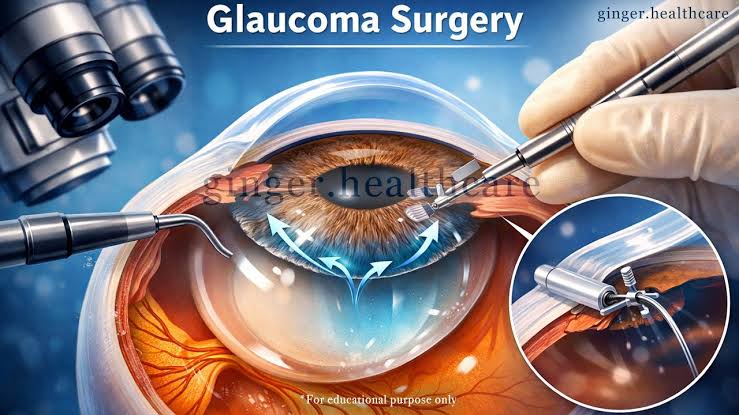
High-definition imaging provides surgeons with a clear view of internal eye structures. Detailed 3D scans guide precise laser treatments and accurate incision placement. This technology reduces guesswork and ensures consistent results.
Surgeons can monitor even subtle changes in tissue throughout the procedure. Advanced imaging enhances decision-making while maintaining safety. Patients gain confidence knowing that every step is closely observed and carefully managed for optimal outcomes.
Pain Management and Comfort Measures
Modern eye surgeries use carefully targeted anesthetics to ensure patient comfort. Local anesthesia minimizes discomfort while keeping patients aware during procedures. Sedation options help reduce anxiety without affecting vital functions.
Clinics create calming environments to support relaxation throughout surgery. Pain management protocols shorten recovery and enhance overall experience. Medical staff monitor patients continuously, adjusting care as needed to maintain safety and comfort at every stage of the treatment process.
Postoperative Care Ensuring Successful Outcomes
Follow-up care is essential to maintain surgical results and support recovery. Patients receive clear guidance on cleaning and protecting their eyes. Regular check-ups help detect minor issues before they become serious.
Eye drops and protective shields promote healing. Surgeons provide detailed instructions for daily activities during recovery. The use of cosmetic surgery for eyes demonstrates precision, safety, and comfort. Patients achieve their desired results while preserving long-term eye health.
Modern eye procedures build confidence in people seeking vision correction or aesthetic enhancements. Clinics focus on exact planning, advanced technology, and individualized care. Each step, from preoperative assessments to follow-up care, is designed to ensure optimal results. Those considering surgery are encouraged to consult qualified specialists. Clear communication, careful evaluation, and precise techniques guarantee that patients achieve the benefits they seek.
About the Author