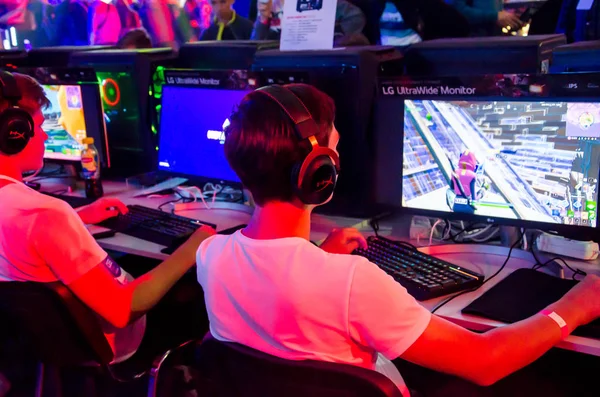
Online gaming has become more varied than ever, offering experiences that suit many different types of players. Some people enjoy fast action and competition, while others prefer slower gameplay, exploration, problem-solving, or social interaction. The range of available games means players are no longer expected to enjoy the same mechanics or follow the same style of play.
This variety is one of the reasons online gaming appeals to such a broad audience. Different genres, difficulty levels, game modes, and progression systems allow players to choose experiences that match their preferences, available time, and level of involvement.
Fast-Paced Play for Action-Oriented Players
Some players enjoy games that require quick reactions and constant attention. Action games, competitive shooters, racing titles, and certain arcade-style games are designed around speed and immediate decision-making.
These experiences often include short matches, clear objectives, and rapid feedback. Players can quickly see whether a particular move worked, which encourages them to adjust their approach during สล็อต gameplay.
Fast-paced games can also suit people who prefer shorter sessions. A player may be able to complete several rounds without needing to commit to a long story or extended campaign.
Strategic Gameplay for Players Who Like Planning
Not every player wants constant action. Strategy-focused games provide a different kind of challenge by encouraging planning, resource management, and long-term thinking.
Players may need to decide how to build a team, manage virtual resources, defend a position, or choose the right moment to make a move. Some strategy games take place in real time, while others give players more time to consider each decision.
This style of gameplay appeals to people who enjoy analysing situations before acting. Progress may depend less on reaction speed and more on understanding systems, recognising patterns, and making careful choices.
Exploration for Players Who Enjoy Discovery
Open-world games, adventure titles, and role-playing games often give players the freedom to explore at their own pace. Instead of following one fixed path, players may be able to visit different locations, discover optional areas, complete side activities, or interact with characters throughout the game world.
Exploration-focused gameplay can feel very different from competitive gaming. The main attraction may be curiosity rather than winning against another player.
Some players spend more time exploring environments than completing the main objective. Online gaming can support this preference by offering large digital worlds where players can choose what they want to do and when they want to do it.
Social Play Creates Shared Experiences
For many people, online gaming is also a social activity. Multiplayer games allow friends and strangers to communicate, cooperate, and share experiences.
Team-based games often encourage players to take different roles. One person may focus on attacking, while another provides support or handles defensive tasks. This creates space for different personalities and abilities within the same game.
Social games can also include less competitive activities. Players may build virtual spaces together, participate in community events, trade items, or simply spend time exploring the game world as a group.
Solo Play Remains an Important Option
Although online gaming is often associated with multiplayer experiences, many players still prefer playing alone.
Modern games frequently provide solo modes, individual challenges, or story-based content that can be completed without interacting with other players. This gives people greater control over the pace and structure of their gaming sessions.
Solo players may prefer to pause whenever they want, experiment with different strategies, or progress without pressure from teammates or opponents. Having both solo and multiplayer options helps games serve a wider range of preferences.
Customisation Lets Players Shape Their Experience
Customisation is another important way online games support different play styles. Players may be able to adjust difficulty settings, control layouts, character abilities, equipment, visual appearance, or FAFA828 gameplay preferences. These options allow the same game to feel different depending on how someone chooses to approach it.
For example, one player may build a character around speed, while another focuses on defence or support abilities. Games with flexible systems encourage experimentation and make it easier for players to develop approaches that match their strengths.
Different Progression Systems Suit Different Players
Players also vary in how they like to progress. Some prefer clear levels and rewards, while others enjoy open-ended improvement.
Online games may use experience points, rankings, unlockable items, achievements, skill systems, or seasonal challenges. These systems give players different reasons to continue playing.
A competitive player might focus on rankings, while a casual player may simply enjoy unlocking new content gradually. Another player might be interested in collecting items or completing optional achievements.
Conclusion
Online gaming supports different play styles by offering variety rather than expecting every player to enjoy the same experience. Fast action, strategic planning, exploration, social interaction, solo play, customisation, and different progression systems all appeal to different preferences.
This flexibility allows players to choose how involved, competitive, social, or relaxed they want their gaming experience to be. As online games continue to offer more modes and options, players have greater freedom to find experiences that fit the way they naturally prefer to play.
About the Author