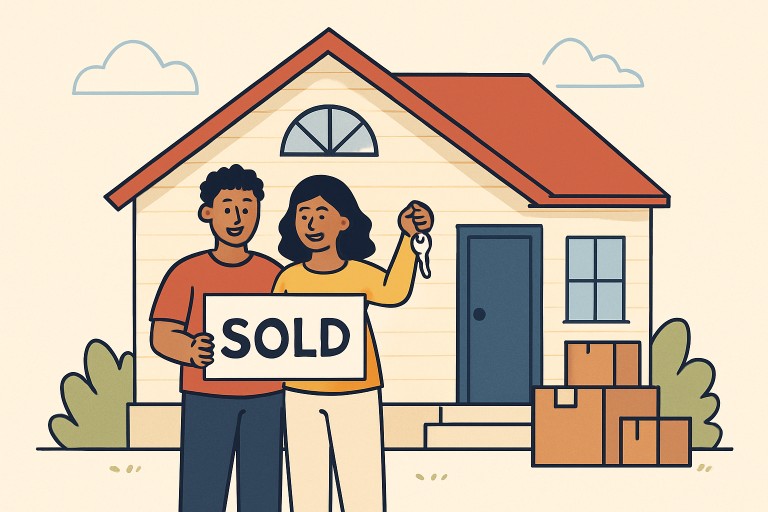
Embarking on the path to purchasing your first home is an exciting and life-changing milestone. From navigating the financial steps to understanding what makes a neighborhood ideal, first-time buyers will face many questions along the way. By leveraging the expertise of those who know the market, such as a Highland Park, TX real estate agent Ana Candido, you can gain insights and confidence as you begin your journey to homeownership.
As with any significant investment, preparation and research pave the way for a successful outcome. Whether you’re unsure about how to organize your finances or want to know more about programs designed exclusively for new buyers, understanding each step will help you avoid common pitfalls and make smarter decisions. This guide will walk you through crucial aspects to consider, including mortgage options, best practices for inspections, negotiating techniques, and hidden costs to budget for.
Financial Preparation
Before you start touring open houses or searching listings online, it’s imperative to take a close look at your financial standing. Begin by checking your credit score—a higher score not only enables better mortgage rates but often increases the amount you can borrow. If your score needs improvement, focus on making timely bill payments and reducing your credit utilization. Plan to save for a down payment; while the 20% benchmark is ideal for avoiding private mortgage insurance (PMI), many lenders offer options for as little as 3–5% down with different loan programs.
Keep in mind that a stronger down payment generally means lower monthly payments and reduced interest over the life of your loan. Organizing your savings well before house hunting gives you a stronger position when you make an offer.
Understanding Mortgage Options
Your mortgage choice will affect your finances for years to come, so it’s important to research all your options. Fixed-rate mortgages guarantee a constant monthly payment for the entire loan term, making it easier to budget over time. Adjustable-rate mortgages (ARMs), on the other hand, often begin with a lower introductory rate but may increase after the initial period expires, so they are best if you don’t plan to stay in your home long-term.
Take the time to review the pros and cons of each option and consult with lenders about what fits your unique situation and projected timeline. Be sure to factor in points, closing costs, prepayment penalties, and any special loan terms that apply to your scenario.
Choosing the Right Location
Location is one of the key factors in determining your home’s future value as well as your day-to-day satisfaction. Look for neighborhoods that boast a strong sense of community, reputable schools, and easy access to work, shopping, and parks. Walk the streets at different times of day to observe the ambiance, traffic flow, and noise levels. Speaking with residents can also give you a feel for the neighborhood’s long-term prospects and desirability.
Conducting Thorough Home Inspections
Home inspections protect your investment and offer peace of mind. Always schedule a licensed inspector to evaluate the property for structural damage, roof and plumbing issues, HVAC functionality, and pest or water intrusion. For added assurance, you may want to order specialized inspections (such as radon, mold, or termite checks) depending on your target region. Remember, uncovering issues before closing not only helps you avoid surprise expenses but can be instrumental in negotiation.
Budgeting for Additional Costs
First-time buyers frequently underestimate the recurring and one-time costs associated with homeownership. On top of the mortgage, you’ll need to account for homeowners’ insurance, property taxes—which can vary significantly by city—utilities, regular maintenance, and potential repairs. Zillow reports that homeowners spend over $3,000 annually on maintenance alone, making it essential to keep a buffer fund. This proactive approach will keep you financially prepared and reduce stress during emergencies.
Negotiating Effectively
Negotiating is a vital part of the buying process. A skilled real estate agent will help you develop a solid offer based on market trends and recent comparable sales. If the inspection reveals necessary repairs, you may be able to negotiate credits or a lower purchase price. Enter negotiations prepared to be firm yet flexible—sometimes the best deal is one where both buyer and seller feel they’ve won.
Securing the Best Mortgage Rate
The rate you lock in on your mortgage will factor heavily into your monthly payment and the total cost of your home over time. Improve your odds of securing a favorable rate by maintaining a high credit score, saving for a larger down payment, and comparing offers from several lenders. Don’t be afraid to negotiate points, fees, or terms to secure the best possible deal. Adjustable-rate mortgages may make sense in specific circumstances, but be aware of potential increases and how they might affect your budget in years to come.
Final Thoughts
By taking these steps and being thoughtful throughout the process, first-time buyers can reduce uncertainty and increase their confidence in one of life’s most significant purchases. This careful approach helps turn the dream of homeownership into a realistic goal, placing you on the path to long-term financial stability and personal fulfillment.
About the Author