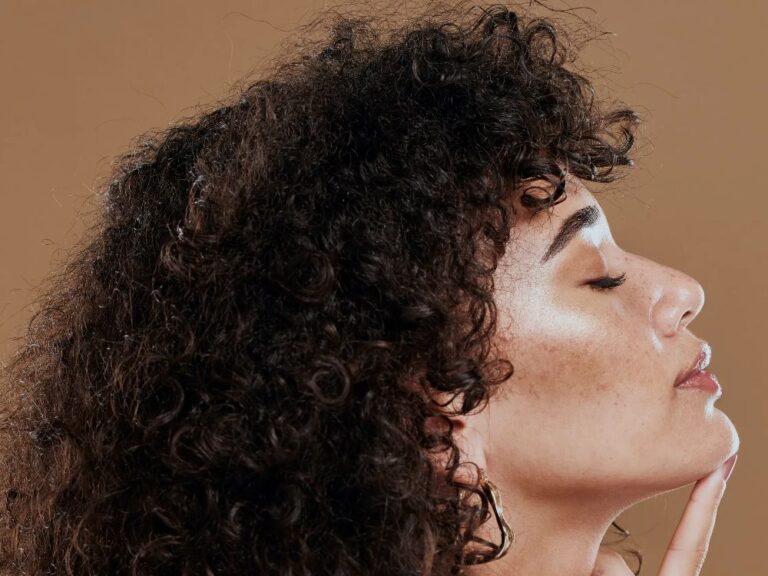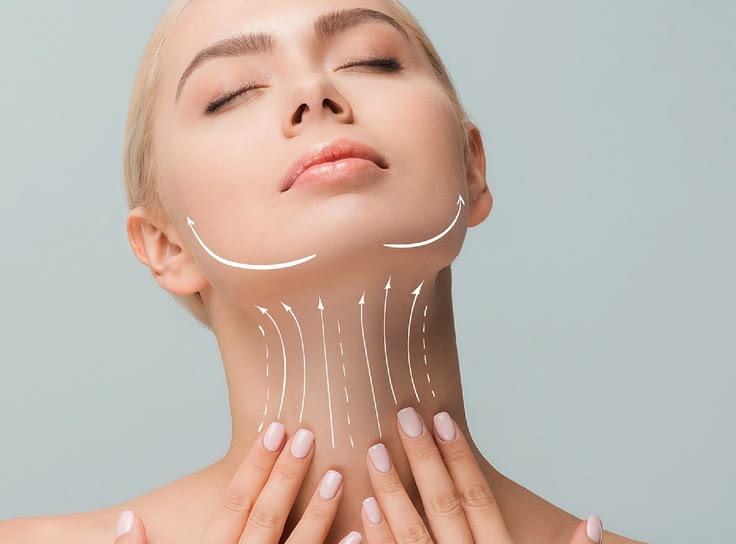
A well-defined jawline can contribute to the overall balance and contour of the face, but its appearance may change over time as skin laxity develops around the lower face. Some people may notice mild jowling, softer facial contours or a gradual loss of their previously defined jawline.
Ultherapy is a non-surgical treatment that uses focused ultrasound energy to target deeper layers of tissue and encourage collagen remodelling. For those considering Ultherapy for jawline definition, it is worth understanding how the treatment works, what it can realistically achieve and whether it is suitable for the individual’s degree of skin laxity and aesthetic goals.
How Ultherapy May Improve Jawline Definition
Ultherapy may help improve jawline definition by targeting deeper layers of tissue with focused ultrasound energy. The treatment delivers controlled energy at specific depths beneath the skin, which can trigger a wound-healing response and stimulate collagen production. Over time, the resulting collagen remodelling may help the skin become firmer and tighter, potentially creating a more defined appearance around the lower face and jawline.
It is important to understand that Ultherapy is primarily a skin-tightening treatment rather than a method of removing significant amounts of facial fat or changing the underlying bone structure. If a less-defined jawline is mainly caused by loose skin, mild jowling or reduced skin elasticity, tightening the tissue may produce a noticeable improvement. However, the extent of definition will depend on factors such as the amount of skin laxity, facial anatomy and the individual’s natural collagen response.
Who May Benefit From Ultherapy for the Jawline?
Ultherapy may be considered by individuals who are beginning to notice mild to moderate skin laxity around the lower face and jawline. This can include people with early jowling, softer facial contours or a gradual loss of definition that is primarily related to reduced skin firmness. As collagen production naturally declines with age, the skin may become less resilient and less able to maintain a firm, defined appearance.
However, Ultherapy is not necessarily suitable for every type of jawline concern. Someone with significant excess skin, substantial facial fat or more pronounced jowling may require a different approach. Facial structure also plays a role in how defined the jawline appears, so tightening the skin may have limited impact if the underlying concern is related to bone structure or facial volume.
A consultation can help assess the main factors contributing to reduced jawline definition and determine whether Ultherapy is an appropriate option. Treatment can then be planned according to the individual’s skin condition, facial anatomy and desired outcome.
What Happens During an Ultherapy Treatment?
An Ultherapy session typically begins with an assessment of the face and jawline to identify areas of skin laxity and determine the appropriate treatment approach. The treatment area is then prepared before the Ultherapy device is applied to the skin. Focused ultrasound energy is delivered at selected depths beneath the surface, allowing the treatment to target the deeper tissue layers involved in skin tightening.
During treatment, some people may experience brief sensations of heat, tingling or discomfort as the ultrasound energy is delivered. The experience can vary depending on the treatment area, individual sensitivity and energy settings. Treatment time also varies according to the areas being addressed and the extent of coverage required.
One of the considerations of Ultherapy is that it does not generally require a lengthy recovery period. Temporary redness, swelling, tenderness or sensitivity may occur after treatment, although these effects typically settle with time. Patients can usually resume their normal activities relatively soon after the session, subject to the advice provided by their doctor.
When Will You See Ultherapy Jawline Results?
Ultherapy results tend to develop gradually rather than appearing immediately after treatment. This is because the treatment is designed to stimulate the body’s natural collagen-remodelling process. As new collagen develops and existing collagen undergoes remodelling, the treated skin may gradually appear firmer and more lifted.
Some people may notice an initial improvement in skin tightness, but more noticeable changes generally take time to develop. Results can continue to evolve over the following weeks and months, depending on factors such as age, skin condition, degree of laxity and individual response to treatment.
It is also important to maintain realistic expectations. Ultherapy may improve the appearance of a softer or less-defined jawline when skin laxity is a contributing factor, but it will not necessarily create a sharply sculpted jawline or produce the same degree of lifting as surgery.
Ultherapy vs Other Jawline Treatments
Ultherapy is one of several non-surgical options that may be considered when the jawline appears less defined. Its main role is to address skin laxity through focused ultrasound energy and gradual collagen remodelling. Other treatments may work differently and may be more appropriate when the concern involves facial fat, volume loss or other factors affecting the appearance of the lower face.
For example, radiofrequency-based treatments also aim to stimulate collagen and improve skin firmness, while certain injectable treatments may be considered when facial volume or contouring is a concern. HIFU treatments similarly use focused ultrasound energy, although the devices, treatment protocols and depths of energy delivery can differ. For more significant skin laxity, surgical options may provide a greater degree of lifting than non-surgical treatments.
Choosing between these options depends on what is contributing to the less-defined jawline. A person whose main concern is mild skin laxity may benefit from a skin-tightening approach, while someone with excess fat, significant loose skin or structural concerns may require a different treatment plan.
Conclusion
Ultherapy may help improve jawline definition when mild to moderate skin laxity is contributing to softer lower-face contours or early jowling. As results develop gradually through collagen remodelling, it is important to have realistic expectations about what the treatment can achieve.
An individual assessment can help determine whether Ultherapy is suitable or whether another approach may better address the underlying concern. Interested in finding out whether Ultherapy may be suitable for your jawline? Book a call with our aesthetic clinic, at:
Cove Aesthetic Clinic: Wheelock Place | Dark Eye Circles | Pigmentation | Laser | Ultherapy
Wheelock Place (Orchard)
501 Orchard Rd, #04-07, Singapore 238880
Phone: +65 8129 8877
WhatsApp: +65 8082 0998
https://coveaestheticclinic.com.sg/
About the Author