Urinary incontinence, the involuntary leakage of urine, is a condition that can significantly impact daily life, causing discomfort, embarrassment, and even limiting social activities. In Singapore, urinary incontinence affects a notable number of adults, with studies showing that many women—especially after childbirth or during menopause, experience some form of bladder control issues, while men may also face it due to age or prostate-related conditions. For those seeking solutions, understanding the available options is crucial.
This article focuses on minimally invasive treatments, which offer effective alternatives to traditional surgery, helping patients regain confidence and improve their quality of life. If you’re looking for professional guidance, exploring urinary incontinence treatment in Singapore can be the first step toward finding a personalised solution that suits your needs.
Understanding Minimally Invasive Treatments
Minimally invasive treatments for urinary incontinence are designed to manage symptoms effectively without the need for major surgery. These approaches typically involve techniques that are less painful, have shorter recovery times, and carry lower risks of complications compared to traditional surgical procedures.
In Singapore, many patients prefer these options because they can often be performed in outpatient settings, allowing a quicker return to daily activities. The choice of treatment depends on the type and severity of urinary incontinence, as well as individual health factors. From exercises and lifestyle adjustments to specialised devices and advanced injectables, minimally invasive solutions offer practical ways to improve bladder control while preserving comfort and convenience.
Pelvic Floor Muscle Training (Kegel Exercises)
One of the most effective minimally invasive approaches for urinary incontinence in Singapore is pelvic floor muscle training, commonly known as Kegel exercises. These exercises strengthen the muscles that support the bladder and urethra, helping to reduce or even prevent urine leakage, especially in women with stress or mixed urinary incontinence.
To perform Kegel exercises, start by identifying your pelvic floor muscles, these are the muscles you use to stop urination midstream. Once identified, contract the muscles for about 5–10 seconds, then relax for the same duration. Repeat this cycle 10–15 times, three times a day. Consistency is key, and noticeable improvement may take a few weeks to months.
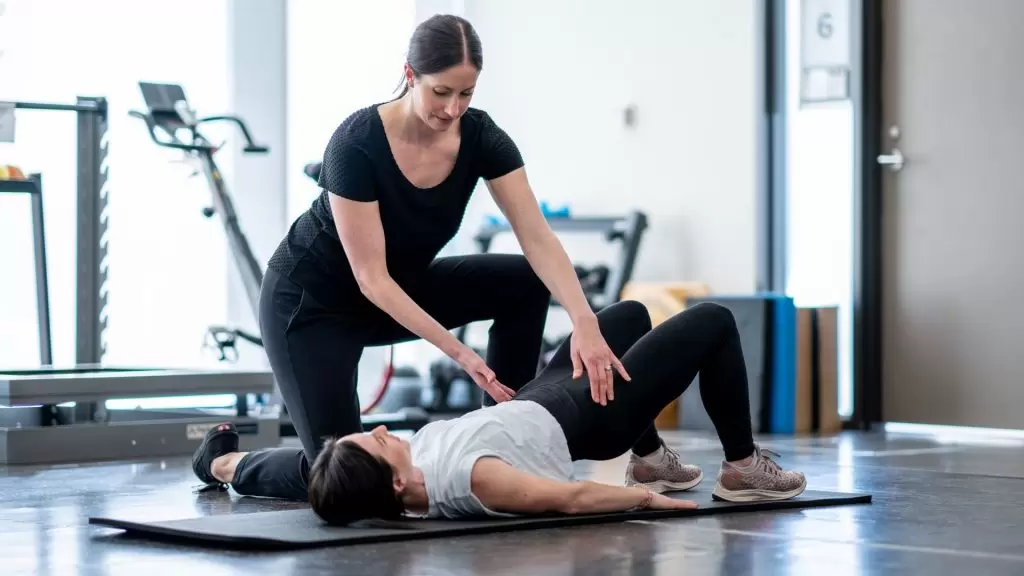
For those who need guidance, a pelvic floor physiotherapist can help ensure correct technique and recommend tailored exercise routines. Combining Kegels with other minimally invasive approaches can further enhance results and help patients regain better bladder control.
Bladder Training and Lifestyle Adjustments
Bladder training and lifestyle adjustments are simple yet effective ways to manage urinary incontinence in Singapore without surgery. These strategies focus on improving bladder control and reducing the frequency of leaks through consistent habits and small changes in daily routines.
This technique involves gradually extending the time between trips to the bathroom. Start by tracking your voiding schedule, then slowly extend the time between urinations by 15–30 minutes. Over time, this can help retrain the bladder to hold urine for longer periods.
Lifestyle adjustments can also make a significant difference:
- Reduce bladder irritants such as caffeine, alcohol, and carbonated drinks.
- Maintain a healthy weight to reduce pressure on the bladder.
- Stay hydrated with adequate water intake while avoiding excessive fluids before bedtime.
- Practice timed voiding, going to the bathroom at scheduled intervals rather than waiting for urgency.
Combined with other minimally invasive treatments, these practical steps can help patients regain control and improve quality of life.
Vaginal Devices and Urethral Inserts
For women with stress urinary incontinence, vaginal devices or urethral inserts offer a convenient, minimally invasive solution. These small, removable devices are inserted into the vagina or urethra to provide temporary support to the bladder, preventing urine leakage during activities such as exercise or lifting. They are easy to use, can be removed at any time, and are suitable for women seeking non-surgical management.
While comfort and proper fit are important, these devices provide an effective option for those who want immediate relief and more confidence in their daily routines, complementing other treatments like pelvic floor exercises.
Minimally Invasive Procedures (Injectables & Laser Therapy)
For patients seeking more lasting relief from urinary incontinence in Singapore, several minimally invasive procedures can be performed safely in outpatient settings. These treatments are less invasive than surgery, with shorter recovery times and lower risks, making them a practical option for many patients. Below is an overview of the most common procedures:
| Procedure | How It Works | Who It Helps | Key Benefits |
| Injectables (Urethral Bulking Agents) | Small amounts of biocompatible material are injected around the urethra to help it close more effectively | Mild to moderate stress incontinence | Quick, outpatient procedure; minimal recovery time |
| Laser or Radiofrequency Therapy | Non-surgical techniques that tighten tissues around the bladder neck and urethra | Stress and mild mixed incontinence | Stimulates tissue support; gradual improvement over weeks; non-surgical |
These procedures are most effective when combined with pelvic floor exercises and lifestyle adjustments.
Conclusion
Minimally invasive treatments provide effective, safe solutions for urinary incontinence in Singapore, helping patients regain control and confidence. For personalised advice and treatment options, book a consultation with our gynae specialist at:
Aster Gynaecology – Dr Ng Kai Lyn 黄楷伶 | Female Gynaecologist | Women’s Health Specialist | Laparoscopy Specialist Singapore
38 Irrawaddy Rd, #06-58 Mt Elizabeth Novena Specialist Centre, Singapore 329563
Phone: (65) 6635 2100
About the Author