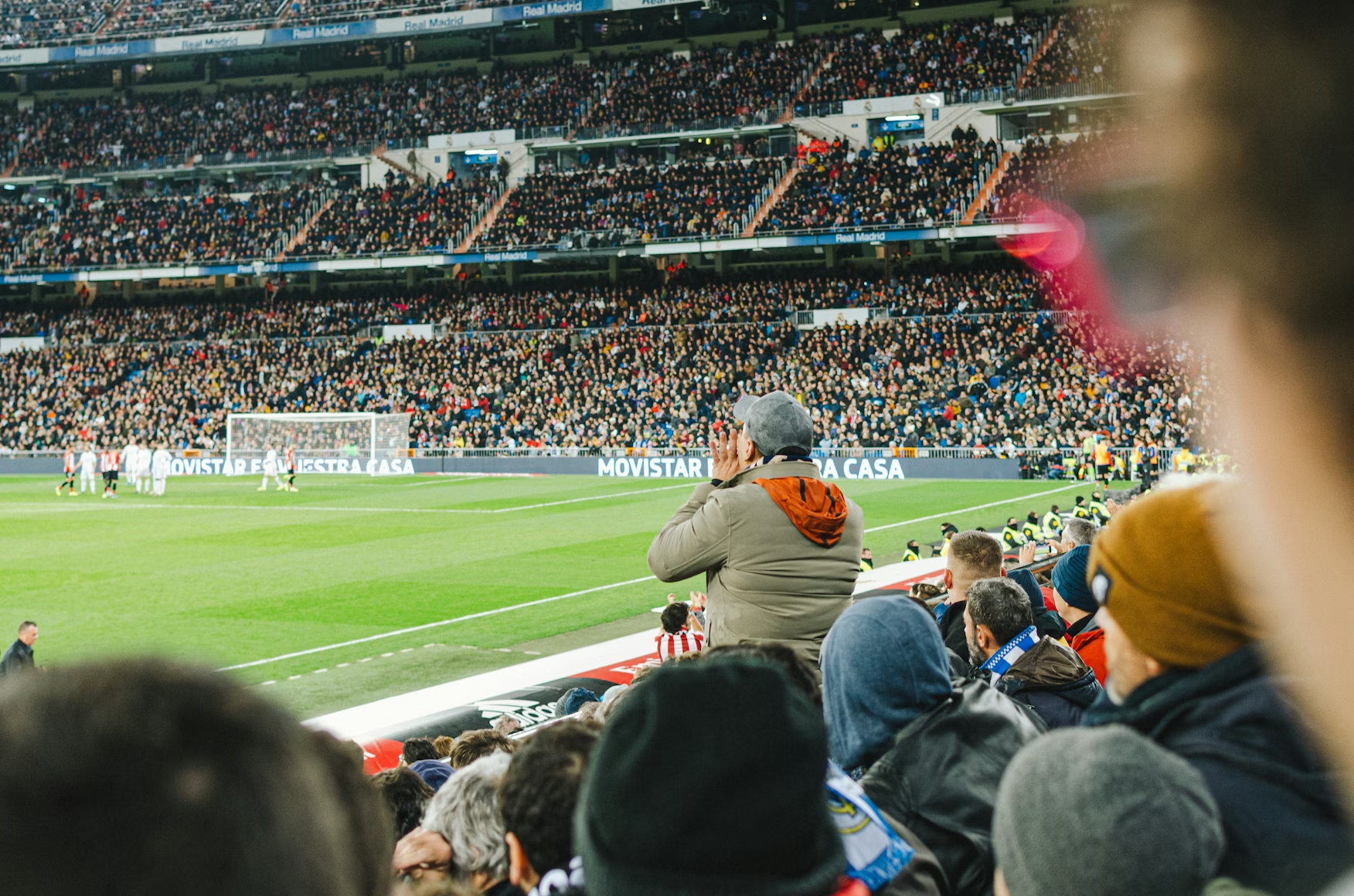
High pressing gets all the highlights because it looks like action. Sprint, tackle, roar, repeat. Yet a lot of La Liga defending is quieter and, in many matches, more cruel. The goal is not winning the ball with force. The goal is making the opponent feel safe, then removing the safe option at the last second.
That kind of manipulation feels closer to a controlled choice architecture than a chase. A familiar cue like x3bet works the same way in the attention economy: the brain gets nudged toward a quick decision because the path looks simple. In La Liga, the “simple” pass gets offered on purpose, and the real work is making that pass become the worst possible idea.
Pressure Without Sprinting
“Without pressure” does not mean without stress. It means stress created by structure rather than by speed. A defensive line holds a certain height, a midfield block shifts half a step, and passing lanes disappear like doors quietly locking.
The key tool is angle control. Instead of charging the ball, a forward stands in a spot that blocks the return pass to the pivot. A winger stays close enough to threaten a press, yet far enough to tempt a pass wide. A midfielder shadows the inside channel so the ball carrier keeps seeing only the sideline. The opponent still has time, yet time gets spent scanning for options that are no longer there.
This is why some La Liga matches look slow but feel tense. The ball moves, but the choices shrink.
The Trap Is Built From Space, Not From Contact
A common trick is leaving a space open that is not truly open. The invitation looks real from a distance, but the moment the ball travels, the receiver meets a pre-positioned net. The sideline becomes an extra defender. The near-side fullback steps early. The nearest midfielder arrives not to tackle, but to block the escape route back inside.
This is also where body orientation matters. A defender does not need a tackle if the first touch gets forced toward the wrong shoulder. One small touch toward the line can remove half the field, and the next pass becomes predictable.
The best part is that it rarely looks like a duel. It looks like an opponent choosing a bad option “for no reason,” which is exactly the point.
Quiet Tools That Produce Loud Errors
A short list helps because these actions are easy to miss on TV, yet show up constantly in well-coached sides. A little patience before the list matters, because the pattern is not random. These are repeatable habits trained every week.
Quiet Tools That Produce Loud Errors
- curved runs that block the safe return pass
- shadow cover that removes the pivot without a tackle
- touchline traps that turn width into a cage
- delayed presses that arrive exactly on the first touch
- staggered midfield spacing that steals central lanes
After the list, the takeaway is simple: pressing is not only about distance to the ball. Pressing is also about removing the exit before contact even happens.
Baiting the Risky Pass and Owning the Second Ball
A team that defends “softly” still needs sharp anticipation. The point is not only forcing a mistake, but collecting the mistake. That is why second balls matter so much. A forced long pass is useful only if the landing zone is owned. A panicked clearance is valuable only if the rebound is expected.
This is where La Liga blocks often look like choreography. The nearest player does not sprint at the ball. The nearest player steps into the passing lane behind the ball. The rest of the unit shifts to cover the likely bounce. When the mistake arrives, the ball recovery feels easy, almost casual, because the work happened earlier.
A calm block also tempts extra touches. Extra touches increase cognitive load, and cognitive load creates late decisions. Late decisions create errors.
The Role of Tempo Control
Another invisible tactic is tempo denial. Not every team wants end-to-end football, even when an athletic squad could handle it. Slowing the match limits opponent strengths, reduces transition chaos, and keeps shape intact.
Tempo denial shows up as smart fouls in safe areas, longer restarts, and controlled possession phases that force the opponent to run without reward. The opponent gets impatient, tries a vertical pass into traffic, and the trap snaps shut without anyone “pressing hard.”
How the Mistake Gets Turned Into an Attack
A second list fits best here, because the moment after the error often decides the match. A brief lead-in first: winning the ball is not enough. The first two passes after the win determine whether the mistake becomes a counterattack or just a reset.
How the Mistake Becomes a Chance
- first pass played forward before the block can reset
- wide outlet used to stretch the recovering line
- third man run arriving into the half space
- simple shot created instead of an extra dribble
- reset chosen quickly if the counter lane is closed
After the list, the pattern becomes clear. The same patience used to force the error disappears the moment the error arrives, because the opponent is briefly unbalanced.
Why It Works So Often in La Liga
La Liga has long rewarded tactical literacy: spacing, timing, and manipulation of zones. The league’s best “invisible” defending is not passive. It is selective. It asks the opponent to play the exact pass that looks safe, then punishes it with positioning and anticipation.
In the end, the most frustrating kind of defending is not the tackle that wins a highlight. It is the defending that makes the opponent feel responsible for the mistake, because the mistake looks self-inflicted. That is the quiet art: creating pressure without sprinting, and winning the ball without the drama.
About the Author