Many people believe online security problems appear suddenly, like a door being forced open. In real life, most issues develop quietly and slowly. Small changes happen first, and those changes grow stronger when no one notices them. This is why early awareness plays such an important role in keeping systems safe and reliable.
Continuous network monitoring helps reveal these early signs before real harm occurs. People usually learn about this concept while incorporating Cybersecurity Services. It focuses on keeping systems protected through steady observation instead of rushed reaction. Rather than waiting for damage to show up, monitoring keeps watch every minute and brings unusual activity to attention early.
Why Early Visibility Protects Systems Better
Every network has its own routine. Users sign in during certain hours, data moves in predictable ways, and devices communicate using familiar paths. When that routine shifts without a clear reason, it may signal a developing issue.
Early visibility allows action while the problem is still small. Fixing a minor issue takes less effort than handling a full disruption. With steady awareness, teams can respond calmly and avoid panic-driven decisions. This early insight also supports smarter planning instead of last-minute fixes.
What Continuous Network Monitoring Includes
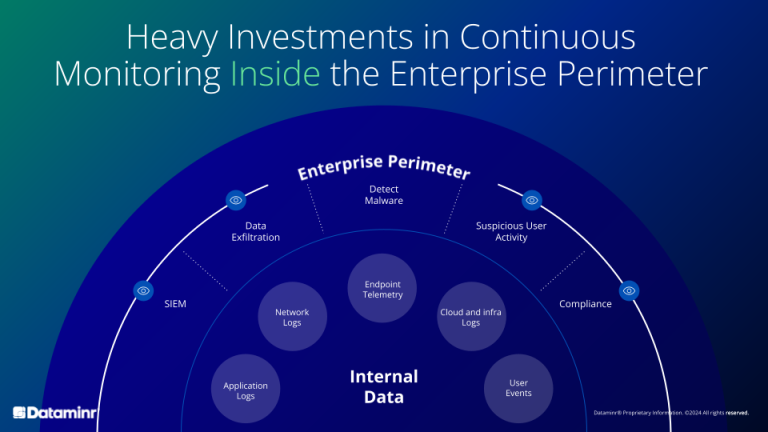
Continuous network monitoring means keeping an ongoing watch over activity instead of running occasional checks. It observes how information travels, how users access systems, and how devices behave throughout the day and night. Over time, this builds a reliable picture of normal behavior.
When normal patterns are clear, unusual behavior becomes easier to spot. The system does not guess or assume danger. It simply notices changes and brings them forward for review, which supports careful and informed action. This consistency helps reduce confusion during unexpected situations.
How Threats Reveal Themselves Through Small Changes
Serious problems rarely appear without warning. They usually leave behind small clues that something is not right. These clues may seem harmless on their own, but they matter when they appear together.
Some early signals may include:
- Login attempts outside usual hours
- Devices requesting access that they have never used before
- Sudden changes in the amount of data being shared
Each sign adds useful context. Continuous observation helps connect these signals, making it easier to understand what may be happening beneath the surface. Over time, this pattern recognition strengthens confidence in early response.
Alerts That Inform Instead Of Alarming
Alerts are meant to guide attention, not create stress. A well-designed alert system avoids constant noise and focuses on meaningful changes. This makes it easier to trust alerts when they appear.
Clear alerts explain what changed and where it happened. They support thoughtful responses instead of rushed reactions. This clarity helps prevent mistakes during important moments. Calm alerts encourage steady decision-making rather than emotional reactions.
How alerts support faster and calmer action
Alerts save time by pointing directly to unusual activity. Instead of searching through large amounts of information, teams know where to look first. This focused approach reduces confusion. For beginners, alerts also act as learning tools. They show how normal patterns differ from unusual ones. Over time, this builds confidence and improves understanding of system behavior. This learning process feels natural rather than overwhelming.
Reduces Harm Through Steady Observation
Problems cause the most damage when they stay hidden. Continuous observation limits that risk by keeping activity visible at all times. Once an issue becomes visible, steps can be taken before it spreads.
This steady watch helps protect important information and daily operations. Systems remain stable, and interruptions stay short. Prevention through awareness feels far more manageable than recovery after disruption. Consistent observation also supports long-term system health.
How Monitoring Supports A Complete Protection Plan
Network monitoring works best when it supports a broader protection approach. Many organizations include it as part of Cybersecurity Services to create a balanced and supportive safety structure. Each part plays a clear role without overlap.
Monitoring provides awareness, while other measures support response and recovery. Together, they form a dependable system that protects without unnecessary complexity. This teamwork strengthens overall reliability across systems.
Help Beginners Feel Comfortable With Monitoring
For people new to network protection, constant monitoring may sound overwhelming. In practice, it simplifies learning by offering clear and steady feedback. It shows activity as it happens and explains changes in simple ways.
As users become familiar with patterns, confidence grows naturally. Decisions feel easier, and uncertainty fades. Monitoring becomes a helpful guide rather than a source of pressure. This comfort encourages ongoing engagement and learning.
Continuous network monitoring focuses on awareness instead of fear. It helps catch issues early, before they grow into serious problems. This steady approach supports smoother operations and better decision-making. By keeping watch with care, systems remain reliable and stable. Beginners gain understanding without stress, and teams stay prepared without constant worry. Early detection creates a safer environment where technology supports daily goals with confidence and ease.
About the Author