Haemorrhoids, commonly known as piles, are swollen veins in the lower rectum or anus that can cause significant discomfort. While many cases are mild and manageable with lifestyle changes or medication, severe or recurring haemorrhoids often persist despite conservative treatments, leading to ongoing pain, bleeding, or prolapse. These persistent symptoms can affect daily life and overall well-being, making timely medical intervention important.
For individuals experiencing such challenges, surgical treatment may offer the most effective solution. In Singapore, patients seeking long-term relief can explore professional options through haemorrhoids surgery Singapore, ensuring expert care and tailored treatment plans. To find out which treatment option is right for your condition, learn more here https://alpinesurgical.sg/conditions/haemorrhoids/.
When is Surgery Recommended?
Not all haemorrhoids require surgery. Many cases respond well to conservative measures such as dietary changes, topical treatments, or minimally invasive procedures. However, surgery becomes necessary when haemorrhoids are severe or recurring, meaning they continue to cause symptoms despite these treatments. Common indicators that surgical intervention may be needed include persistent pain, frequent bleeding, significant prolapse that does not retract on its own, and complications like thrombosis or strangulation.
In Singapore, experienced colorectal surgeons carefully evaluate each patient’s condition to determine the most appropriate surgical approach. Factors such as the size, location, and type of haemorrhoids, as well as the patient’s overall health, influence this decision. Surgery is often considered the most effective option for providing long-term relief in severe cases, reducing the risk of recurrence and improving quality of life.
If you have tried non-surgical options without success or are experiencing recurring flare-ups, it is advisable to consult a specialist. A professional assessment can help determine whether surgery is the right step for your condition.
Types of Haemorrhoids Surgery
There are several surgical options for treating severe or recurring haemorrhoids, each suited to different patient needs:
- Hemorrhoidectomy – The traditional method that involves the surgical removal of enlarged haemorrhoids, highly effective for advanced cases.
- Stapled Haemorrhoidopexy (PPH) – Repositions haemorrhoidal tissue and reduces blood flow to the veins, often resulting in less postoperative pain and faster recovery.
- Minimally Invasive Procedures – Techniques such as laser therapy or infrared coagulation target haemorrhoids with minimal tissue disruption, suitable for selected patients.
The choice of procedure depends on factors such as the size, severity, and type of haemorrhoids, as well as the patient’s overall health and personal preferences. Consulting a specialist ensures a tailored treatment plan for optimal results.
What to Expect During the Procedure
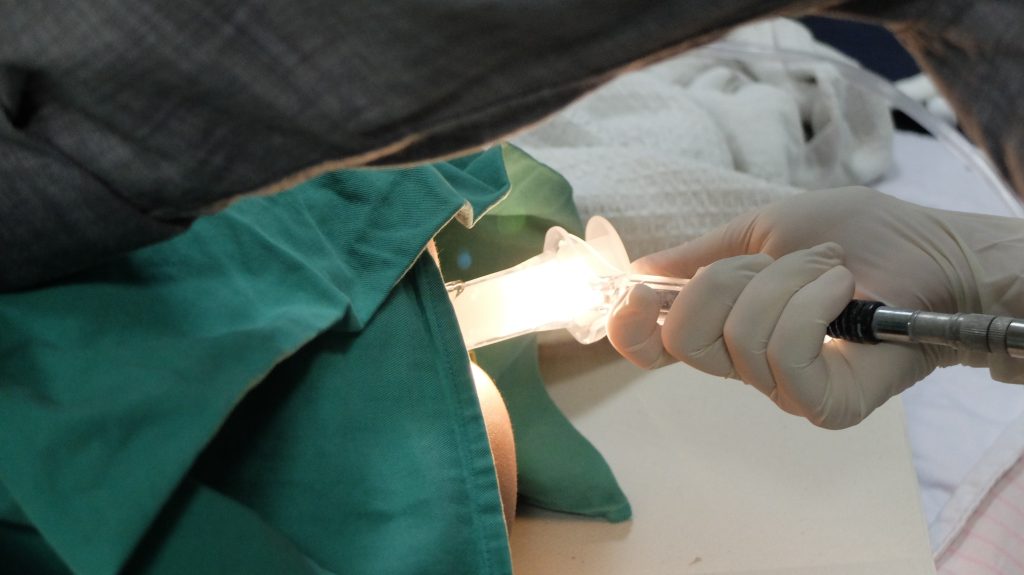
Understanding what happens during surgery can help reduce anxiety and ensure a smoother experience. Most haemorrhoid surgeries are performed under either local, regional, or general anesthesia, depending on the procedure and patient needs. The surgeon carefully removes or repositions the affected tissue while preserving surrounding structures to minimise complications.
Patients can generally expect:
- Duration: Procedures typically take between 30 minutes to an hour, though this varies by the type and severity of haemorrhoids.
- Hospital stay: Many procedures are done as day surgery, but some may require an overnight stay for observation.
- Pain management: Pain relief is provided during and after surgery to keep discomfort manageable.
Knowing what to expect during the operation helps patients prepare both mentally and physically, ensuring the best possible outcome and smoother recovery.
Recovery and Aftercare
Recovery after haemorrhoid surgery usually takes one to two weeks. Mild pain and discomfort are common initially but can be managed with medication. Patients are advised to follow a high-fibre diet, stay hydrated, and avoid straining during bowel movements to promote healing.
Gentle hygiene practices, such as sitz baths, can reduce swelling and discomfort. Most can resume light activities within a few days, while strenuous tasks should be avoided until cleared by the surgeon. Regular follow-ups help ensure proper healing and address any complications promptly.
Risks and Considerations
While haemorrhoid surgery is generally safe and effective, it is important to be aware of potential risks and considerations:
- Bleeding – Some bleeding is normal, but excessive bleeding may require medical attention.
- Infection – Rare, but proper hygiene and care help reduce the risk.
- Pain or discomfort – Usually temporary and manageable with medication.
- Recurrence – Haemorrhoids can occasionally return, especially without lifestyle adjustments.
- Changes in bowel habits – Temporary constipation or urgency may occur during recovery.
Discussing these risks with your surgeon beforehand ensures you are well-informed and helps set realistic expectations for recovery and outcomes.
Conclusion
For individuals struggling with severe or recurring haemorrhoids, surgery can provide effective and lasting relief, helping to restore comfort and improve quality of life. Choosing the right procedure and specialist is essential to achieve the best results and a smooth recovery. Don’t let haemorrhoid symptoms disrupt your life. Consult us:
Alpine Surgical Practice – Dr Aaron Poh | Colonoscopy | Gallstones Removal Singapore
(Mount Elizabeth)
3 Mount Elizabeth, #14-06 Medical Centre, Singapore 228510
(Parkway East)
319 Joo Chiat Place #04-07 Parkway East Medical Centre, 427989
Phone: +65 6322 7323
WhatsApp: +65 8875 0080
About the Author