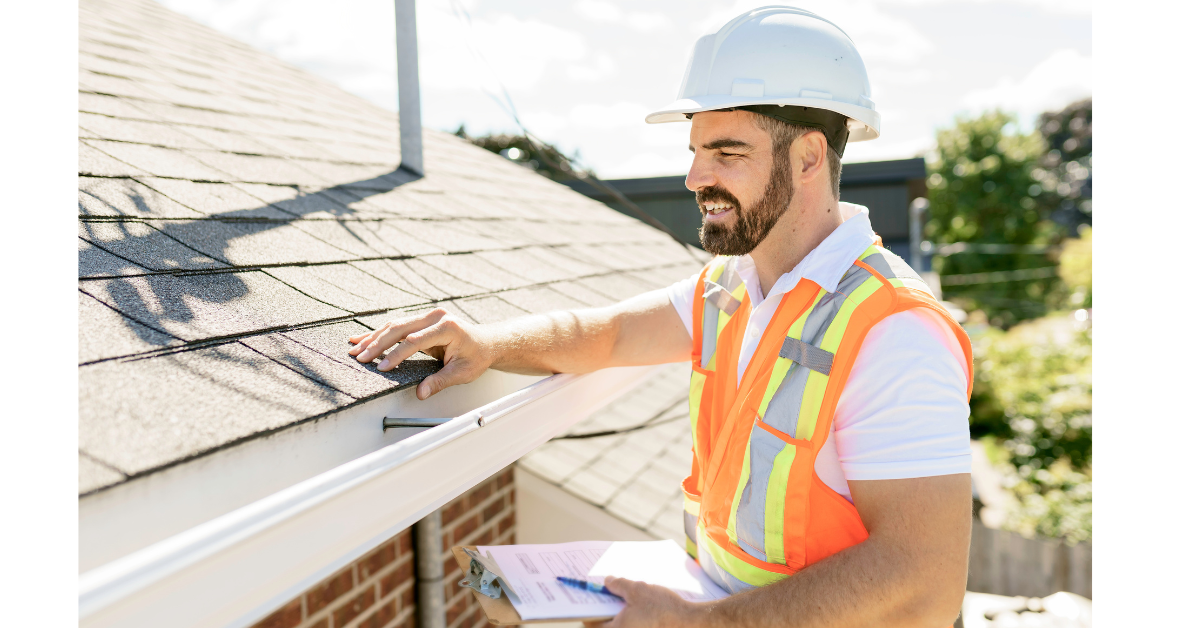
A roof replacement involves more than material changes, since planning, timing, and clear steps all shape the outcome. Homeowners often benefit from a checklist that breaks the process into clear stages. Each step supports cost control, safety, and long-term value.
Initial Roof Assessment and Planning
A clear roof assessment sets the tone for the entire project. The first review usually covers surface wear, age, and visible damage points. A roofing replacement company helps you to figure out when early opinions are needed. This stage helps with clarity around scope and realistic outcomes.
Planning also includes timing based on weather patterns and household routines. Material availability and permit timelines factor into the schedule. Written notes from assessments aid in comparing options later. Early planning helps reduce last-minute adjustments.
Budget Review and Cost Preparation
Cost preparation often starts with a broad budget range. Estimates usually account for material costs, labor charges, disposal needs, and permit fees. A written breakdown supports clear expense tracking across each phase. This early review may help improve confidence during later planning discussions.
Unexpected costs can arise from deck repair or code updates. Setting aside a reserve amount helps manage these cases. Clear payment terms reduce confusion. Budget clarity supports smoother progress.
Material Selection and Warranty Review
Material choice affects durability, weight, and heat response. Asphalt, metal, and tile each bring distinct traits. Warranty details explain coverage limits and care rules. These details support informed decisions.
Color and texture choices also affect curb appeal. Local guidelines may limit certain options. Written specs help avoid mix-ups during delivery. Material clarity supports consistent results.
Contractor Coordination and Scheduling
Project Timeline Notes
Clear coordination keeps work on schedule and reduces disruption. A shared timeline outlines delivery dates, work hours, and cleanup plans. This clarity helps with daily planning. Communication channels should stay simple and direct.
Scheduling notes often include:
- Start and end date ranges
- Daily work hours
- Material drop off timing
- Cleanup expectations
Site Preparation and Safety Steps
Site preparation helps protect both the property and the people present during roof work. Vehicles often move away from the work zone to allow clear access for crews and equipment. Outdoor items such as furniture, grills, or planters usually need cover or temporary relocation. These actions support safer movement and reduce the chance of surface damage.
Indoor preparation may include light wall protection near attic access points or upper-level rooms. Clear notice about noise levels helps set realistic expectations for the day. Pets and children often need an alternate space to avoid stress or risk. Thoughtful preparation supports smoother progress during active work.
Installation Day Process Overview
Installation day follows a clear and orderly sequence to support efficiency and safety across the site. Crews begin by removing worn materials to expose the surface beneath, which allows a full deck review. Any weak areas receive attention before new layers move forward. This step-by-step order helps with consistent quality checks throughout the day.
Work Sequence and Final Review
Teams often complete work in sections to limit exposure and manage weather risks. Fastener placement, seal application, and edge alignment receive regular checks as progress continues. Final inspections focus on straight lines, secure attachment, and surface balance. A closing walkthrough confirms completion details and outlines next care steps.
A detailed checklist helps homeowners approach roof replacement with structure and confidence. A reputable roofing replacement company often shows how organized steps support smoother outcomes. Each phase contributes to protection, value, and clarity. Thoughtful preparation supports steady results across the project.
About the Author