Shoulder pain is a common condition that is often underestimated, especially in its early stages when symptoms may seem mild or occasional. Over time, however, it can start to interfere with everyday activities such as lifting objects, reaching overhead, getting dressed, or even sleeping comfortably at night. These limitations can gradually affect work, exercise, and overall quality of life if left unaddressed.
From a shoulder pain specialist Singapore perspective, one of the most common causes behind persistent shoulder discomfort is rotator cuff injury, which may range from inflammation to partial or complete tendon tears. In this article, we will take a closer look at rotator cuff injuries and explore the available treatment options, with insights from a shoulder pain specialist Singapore to help patients better understand when and how to seek appropriate care.
What Is the Rotator Cuff and Why It Matters
The rotator cuff is a group of four muscles and their tendons that surround the shoulder joint, helping to keep the upper arm bone securely in place within the socket. It plays a crucial role in enabling smooth and controlled shoulder movements such as lifting, rotating, and reaching behind the back.
Because the shoulder is one of the most mobile joints in the body, it relies heavily on the rotator cuff for both stability and function. When these tendons become irritated, strained, or torn, it can lead to pain, weakness, and restricted movement.
Common Causes of Rotator Cuff Injuries
Rotator cuff injuries can develop gradually over time or occur suddenly due to an acute event. In many cases, they are the result of repeated stress on the shoulder or natural age-related wear and tear. Understanding the underlying causes can help patients identify risk factors early and seek timely assessment.
Common causes include:
- Repetitive overhead movements such as in sports like tennis, badminton, and swimming
- Occupational strain from frequent lifting, reaching, or carrying heavy loads
- Age-related degeneration where tendons gradually weaken and become more prone to fraying or tearing
- Acute trauma or falls, especially when the arm is stretched out to break the fall
- Heavy lifting or sudden forceful movements performed in an awkward position
- Poor shoulder mechanics or muscle imbalance, leading to increased stress on the rotator cuff
Over time, these factors may lead to inflammation, partial tears, or complete rotator cuff rupture. Recognising these causes early can help patients seek appropriate care before symptoms worsen.
Symptoms That Should Not Be Ignored
Rotator cuff problems often start with mild discomfort, but symptoms can gradually worsen if the condition is not addressed early. Many patients initially dismiss the pain as a minor strain, only seeking help when shoulder function becomes significantly limited.
Common symptoms include:
- Pain when lifting or reaching overhead
- Shoulder weakness, especially when trying to lift or rotate the arm
- Night pain, often worsening when lying on the affected side
- Difficulty performing daily activities such as dressing, combing hair, or reaching behind the back
- Clicking, catching, or grinding sensations during shoulder movement
- Reduced range of motion, with stiffness developing over time
When these symptoms persist for more than a few weeks or begin to interfere with normal activities, it is advisable to seek evaluation from a shoulder pain specialist Singapore for accurate diagnosis and timely management.
How a Shoulder Pain Specialist Diagnoses Rotator Cuff Problems
Accurate diagnosis is essential because shoulder pain can arise from several different conditions, including rotator cuff injuries, frozen shoulder, or arthritis. A structured assessment helps identify the exact cause and determine the most appropriate treatment plan.
Evaluation typically includes:
- Detailed medical history, including onset of pain, activity level, and any triggering injury
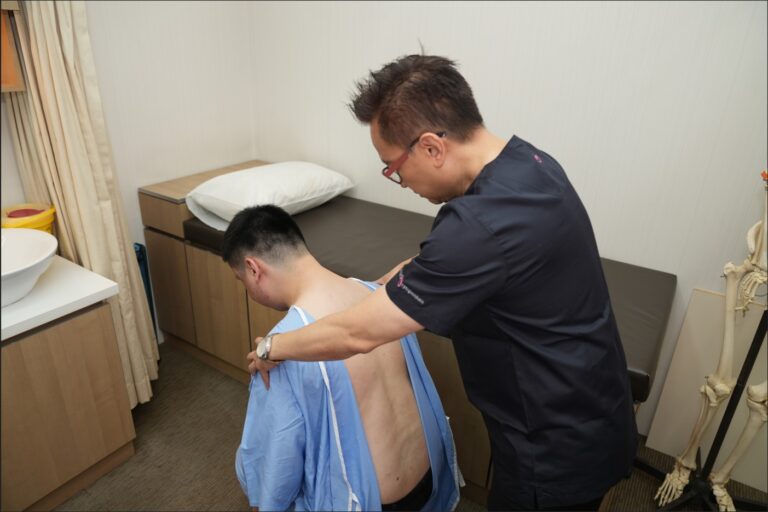
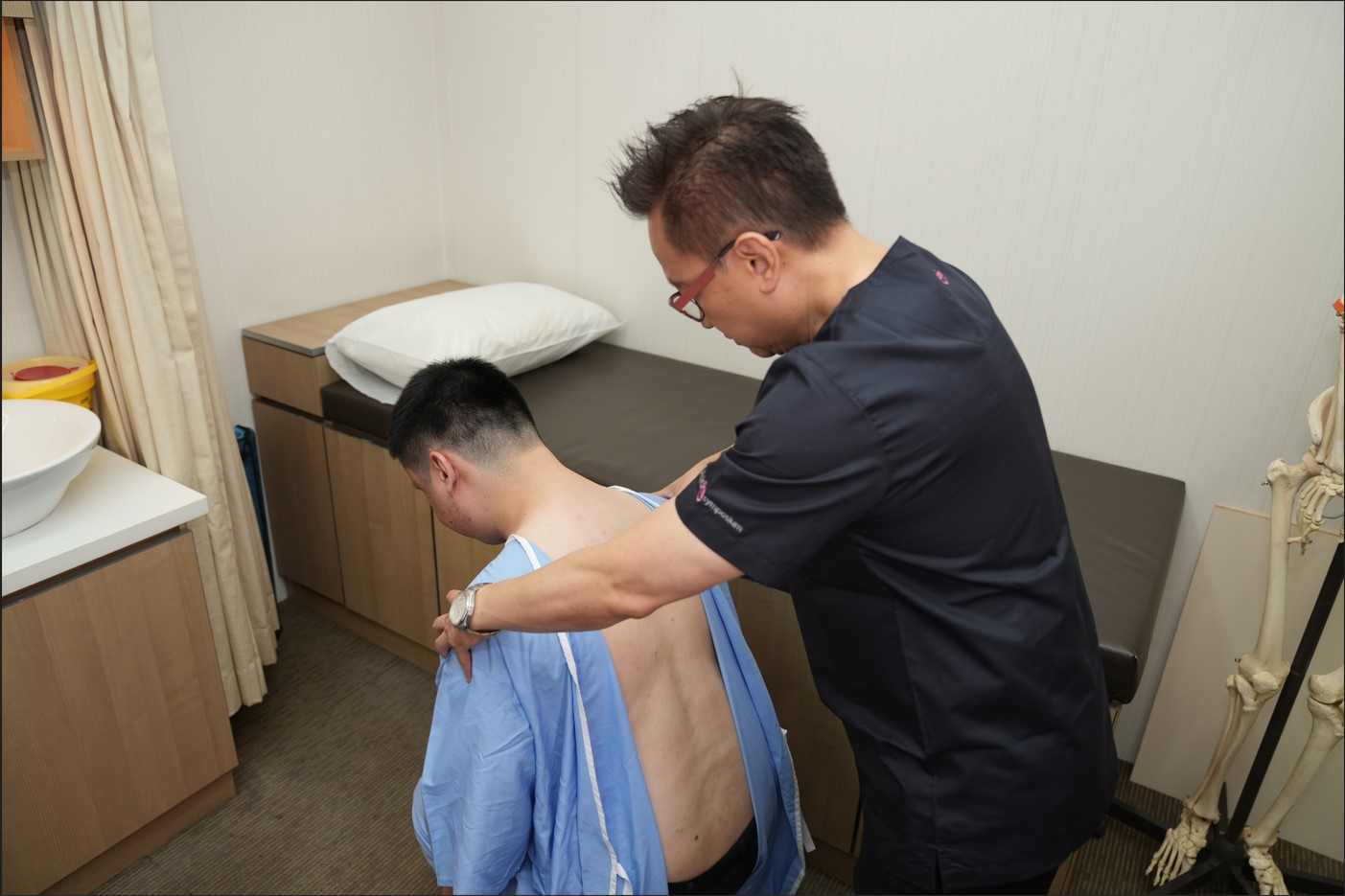
- Physical examination, focusing on shoulder movement, strength, and areas of tenderness
- Special clinical tests, designed to assess specific rotator cuff tendon involvement
- Imaging studies, such as X-rays to rule out bone issues, and ultrasound or MRI scans to evaluate tendon damage in detail
These steps allow a shoulder pain specialist Singapore to differentiate between partial tears, full-thickness tears, and other shoulder conditions.
Treatment Options: From Conservative Care to Surgery
Treatment for rotator cuff injuries depends on the severity of the condition, the patient’s activity level, and how long the symptoms have been present. Many cases can improve without surgery, especially when diagnosed early and managed appropriately.
Common treatment options include:
- Activity modification and rest, to reduce further strain on the shoulder
- Physiotherapy, focusing on strengthening surrounding muscles and improving shoulder mechanics
- Anti-inflammatory medications, to help reduce pain and swelling
- Corticosteroid injections, in selected cases to control significant inflammation and pain
- Regenerative or adjunct treatments, where suitable, to support tendon healing
In cases of large or complete tears, or when conservative treatment does not provide sufficient improvement, arthroscopic (keyhole) surgery may be recommended to repair the damaged tendon. The goal of treatment is to restore function, reduce pain, and allow patients to return to normal daily and sporting activities safely.
Recovery, Prevention, and When to Seek Specialist Care
Recovery from rotator cuff injuries varies depending on the severity of the condition and the type of treatment required. Mild strains and partial tears often improve over several weeks with structured physiotherapy and activity modification, while more significant injuries or surgical repairs may require a longer rehabilitation period to restore full strength and mobility.
To reduce the risk of recurrence, prevention strategies are equally important. These may include maintaining good shoulder posture, strengthening the rotator cuff and surrounding muscles, avoiding repetitive overhead strain where possible, and ensuring proper warm-up before sports or physical activity. If shoulder pain persists despite initial self-care measures, or if symptoms begin to interfere with daily activities and sleep, it is advisable to seek assessment from a shoulder pain specialist Singapore.
Conclusion
Rotator cuff injuries are a common but often overlooked cause of persistent shoulder pain, and early recognition can make a significant difference in recovery. Understanding the symptoms, causes, and treatment options helps patients take timely action before the condition worsens or leads to long-term stiffness and weakness.
With appropriate care, many individuals are able to regain comfortable movement and return to their daily activities with improved shoulder function. If you are experiencing ongoing shoulder pain or suspect a rotator cuff injury, you may wish to seek further evaluation at our clinic. Details below:
Ray of Health
1 Orchard Blvd, Singapore 248649
Phone: 6235 8781
About the Author