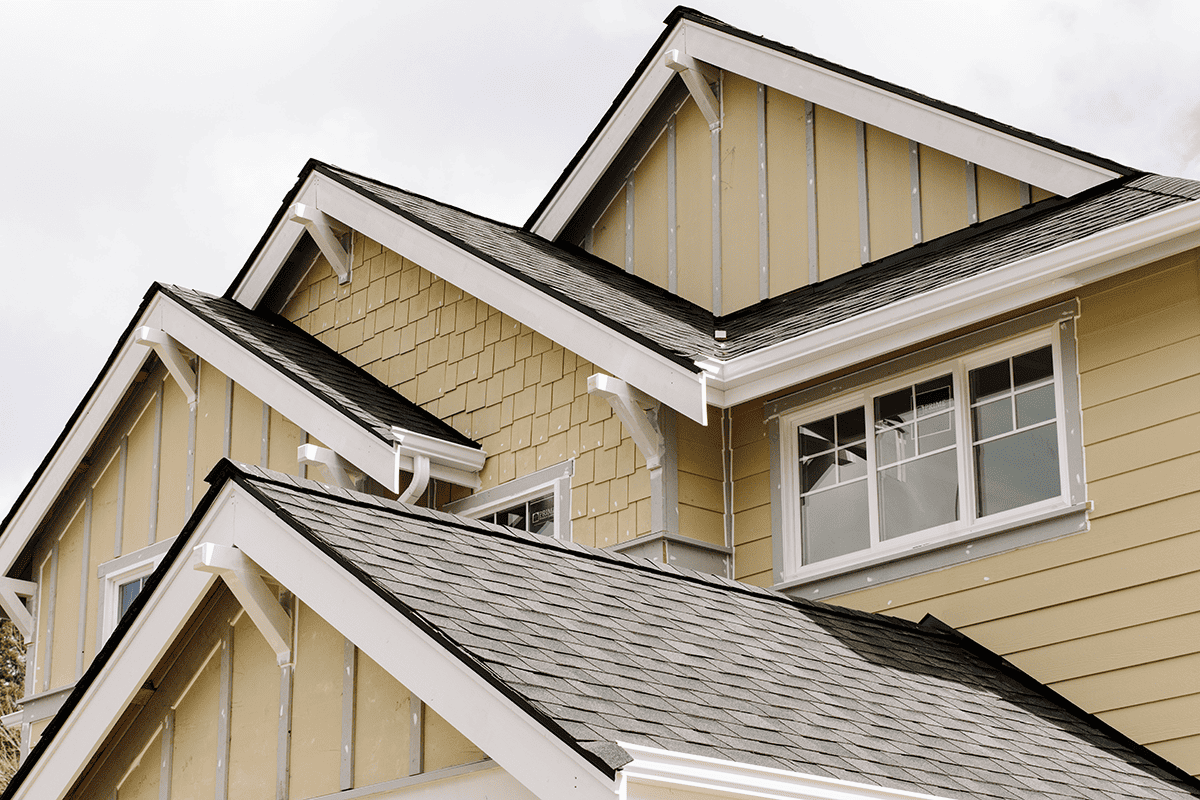
A fascia board is a crucial component of any roofing system, yet it often goes unnoticed by homeowners until problems arise. Positioned along the lower edge of the roof, the fascia board serves as a finishing edge that connects to the ends of the rafters and trusses. Its primary function is to support the lower edge of the roof tiles or shingles and to provide a solid base for attaching gutters. Without a properly installed and maintained fascia board, a home can be vulnerable to water damage, pest infestations, and structural issues. Understanding the role and importance of fascia boards can help homeowners maintain the integrity and appearance of their roofs for years to come.
Understanding fascia boards and their importance
The Role of Fascia Boards in Roofing
Fascia boards play a vital role in the overall structure and function of a roof. They are typically made from wood, vinyl, or aluminum and are installed horizontally along the roof’s edge, directly beneath the roofline. The primary purpose of the fascia board is to protect the ends of the roof rafters from exposure to the elements. By covering these vulnerable areas, fascia boards help prevent moisture from seeping into the wooden framework of the roof, which can lead to rot, mold, and decay over time. Additionally, fascia boards provide a smooth, finished appearance to the roofline, enhancing the curb appeal of the home. They also serve as the mounting point for gutters, which are essential for directing rainwater away from the foundation and preventing water damage to the home’s exterior and landscaping. Without a sturdy fascia board, gutters would lack the necessary support, leading to sagging or detachment during heavy rainfall.
Materials Used for Fascia Boards
The choice of material for fascia boards can significantly impact their durability, maintenance requirements, and overall performance. Wood has traditionally been the most common material, valued for its strength and classic appearance. However, wood fascia boards require regular painting or sealing to protect against moisture and insect damage. Vinyl fascia boards have gained popularity due to their resistance to rot, low maintenance needs, and affordability. Aluminum fascia boards offer excellent durability and are often used in conjunction with aluminum soffits for a cohesive look. Composite materials, which combine wood fibers and plastic resins, provide the appearance of wood with enhanced resistance to weathering and decay. Homeowners in regions with high humidity or frequent rainfall, such as those seeking Roofing Little Rock services, may benefit from choosing materials that offer superior moisture resistance. Selecting the right material for fascia boards is essential for ensuring long-term protection and minimizing the need for repairs or replacements.
Common Problems with Fascia Boards
Fascia boards, while designed to protect the roof and home, can themselves become susceptible to a range of issues if not properly maintained. One of the most common problems is water damage, which often occurs when gutters become clogged or improperly installed, causing water to overflow and saturate the fascia. Over time, this moisture can lead to wood rot, mold growth, and even structural weakening of the roof’s edge. Insects such as termites and carpenter ants are also attracted to damp, decaying wood, further compromising the integrity of the fascia board. Additionally, exposure to harsh weather conditions, including heavy rain, snow, and intense sunlight, can cause fascia boards to warp, crack, or peel. Paint or protective coatings may deteriorate, leaving the underlying material vulnerable to the elements. Regular inspection and maintenance are crucial for identifying early signs of damage and addressing them before they escalate into more significant and costly repairs. Homeowners should pay attention to sagging gutters, peeling paint, or visible rot as indicators that their fascia boards may need attention.
Signs Your Fascia Board Needs Replacement
Recognizing when a fascia board requires replacement is essential for maintaining the health of your roofing system. Some of the most noticeable signs include visible cracks, splits, or holes in the fascia board, which can allow water and pests to penetrate the roof structure. Discoloration or staining, particularly near the joints or where the fascia meets the gutters, often indicates water infiltration and potential rot. If the fascia board feels soft or spongy to the touch, this is a clear sign of wood decay and loss of structural integrity. Sagging or detached gutters can also signal that the fascia board is no longer providing adequate support. In some cases, homeowners may notice mold or mildew growth along the roofline, which can spread to other parts of the home if not addressed promptly. Timely replacement of damaged fascia boards is crucial for preventing further deterioration and protecting the overall investment in your home.
Benefits of Maintaining Fascia Boards
Proper maintenance of fascia boards offers several important benefits for homeowners. Well-maintained fascia boards help preserve the structural integrity of the roof by shielding the rafters and trusses from moisture and pests. This protection extends the lifespan of the roofing system and reduces the likelihood of costly repairs. Maintaining fascia boards also ensures that gutters remain securely attached and function effectively, directing rainwater away from the home’s foundation and preventing erosion or basement flooding. In addition, clean and intact fascia boards contribute to the overall aesthetic appeal of the property, enhancing its value and curb appeal. Regular cleaning, painting, or sealing can prevent premature deterioration and keep the fascia looking fresh and attractive. By investing time and effort in fascia board maintenance, homeowners can enjoy peace of mind knowing that their roof and home are well-protected against the elements.
Fascia Board Installation and Replacement
Installing or replacing fascia boards is a task that requires careful attention to detail and proper technique. The process typically involves removing the old, damaged fascia board, inspecting the underlying rafters for signs of rot or damage, and making any necessary repairs before installing the new board. Accurate measurements are essential to ensure a snug fit and seamless appearance along the roofline. The new fascia board should be securely fastened to the rafters and sealed or painted to protect against moisture. When installing gutters, it is important to ensure that they are properly aligned and attached to the fascia board to prevent future water damage. Homeowners should also consider the compatibility of the fascia board material with their existing roofing and gutter systems. While some may choose to tackle fascia board replacement as a do-it-yourself project, others may prefer to hire a professional to ensure the job is done correctly and safely. Regardless of the approach, proper installation is key to maximizing the lifespan and effectiveness of the fascia board.
Fascia Boards and Home Value
A well-maintained fascia board can have a positive impact on a home’s value and overall appearance. Potential buyers often notice the condition of the roofline and gutters when evaluating a property, as these elements are indicators of the home’s general upkeep. Fascia boards that are free from rot, damage, or peeling paint contribute to a polished and well-cared-for exterior. In contrast, neglected fascia boards can detract from the home’s curb appeal and raise concerns about potential water damage or structural issues. Investing in quality fascia board materials and regular maintenance can pay off by enhancing the home’s marketability and reducing the risk of costly repairs down the line. For homeowners planning to sell their property, addressing any fascia board issues before listing can help create a positive first impression and potentially increase the sale price.
Conclusion
Fascia boards are an essential yet often overlooked component of a home’s roofing system. They provide critical protection for the roof’s structural elements, support gutters, and contribute to the overall appearance and value of the property. Choosing the right materials, performing regular maintenance, and addressing any signs of damage promptly can help ensure that fascia boards continue to perform their vital functions for years to come. By understanding the importance of fascia boards and taking proactive steps to care for them, homeowners can safeguard their investment and maintain a safe, attractive, and durable home.
About the Author