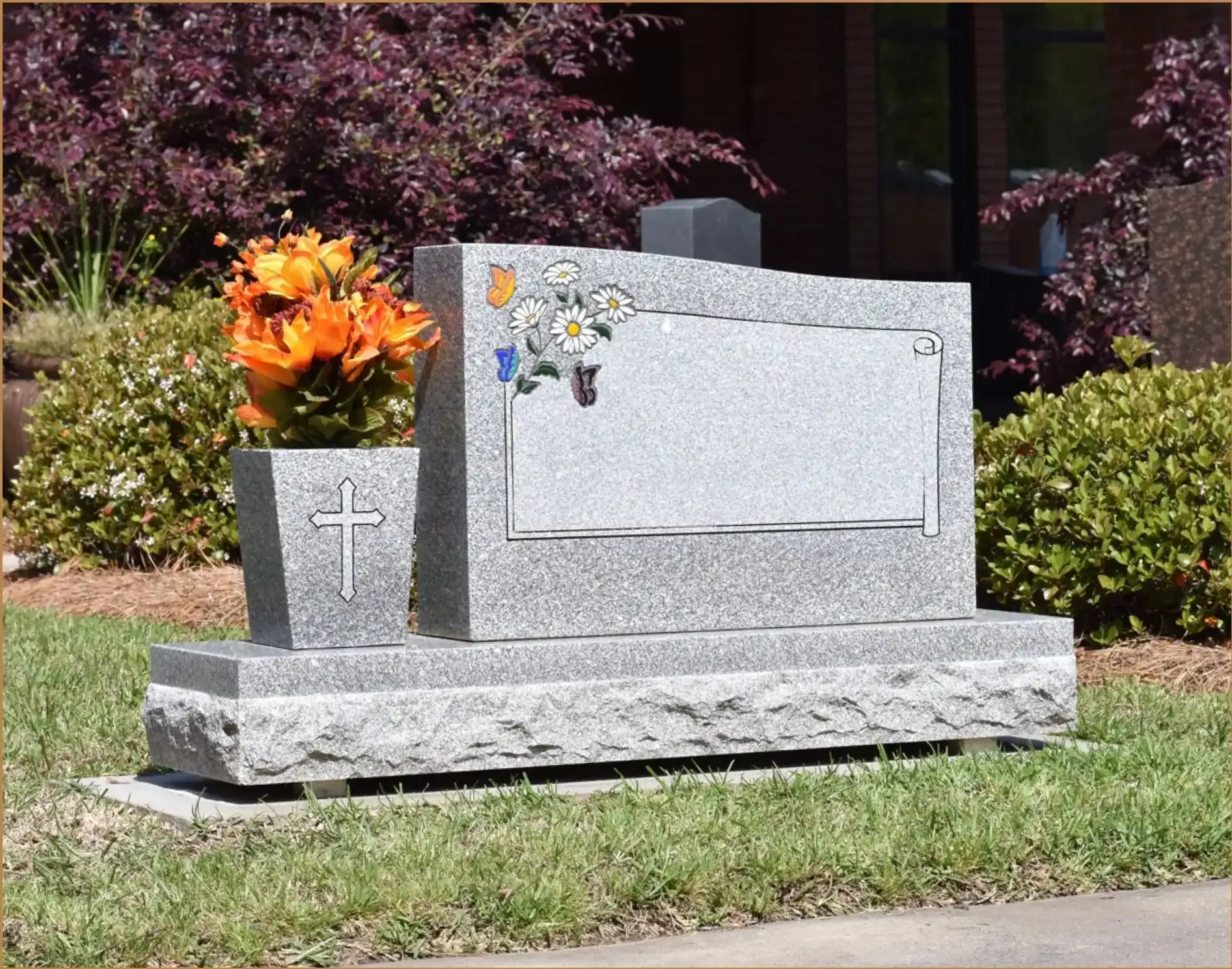
The process of memorialization is an act of translation. It is the attempt to take the sprawling, vibrant narrative of a human life and distil it into a form that can withstand the centuries. While the shape and inscription of a monument are vital, the color of the granite is often the first thing a visitor notices. It sets the emotional tone, reflects the personality of the deceased, and serves as the visual background for the story you are telling.
Selecting a color is not merely an aesthetic choice; it is a symbolic one. Granite is a geological masterpiece, with its hues determined by millions of years of mineral cooling deep within the Earth’s crust. This guide explores the most popular granite colors for headstones, their deep-seated meanings, and the technical factors you should consider when making your choice.
1. The Psychology of Color in Remembrance
Before diving into specific stones, it is important to understand that color communicates on a subconscious level. In a cemetery, where the landscape is often a mix of natural greens and muted stones, the color of a headstone acts as a visual anchor.
- Darker Tones: Often associated with solemnity, strength, prestige, and the infinite nature of the afterlife.
- Lighter Tones: Generally convey purity, peace, innocence, and a sense of spiritual light.
- Warm Tones (Reds/Pinks): Reflect passion, love, courage, and a life lived with great vigor.
- Cool Tones (Blues/Greys): Suggest tranquility, wisdom, and a calm, steadfast nature.
2. Deep Dive: Popular Granite Colors and Their Symbolism
Absolute Black Granite
Meaning: Eternity, Sophistication, and Strength
Absolute Black is perhaps the most iconic choice for modern memorials. Originating primarily from quarries in India and Africa, this stone is prized for its consistent, deep, and void-like darkness.
- Symbolism: It represents the vastness of the universe and the eternal nature of memory. It is a bold, prestigious color that commands respect.
- Technical Edge: Because of its dark, fine-grained surface, it provides the highest contrast for laser etching. If you wish to include a detailed photographic portrait or an intricate scene, Absolute Black is the superior canvas.
Classic Grey Granite (Barre Grey / Georgia Grey)
Meaning: Tradition, Humility, and Timelessness
Grey is the “standard” of the memorial industry, but its simplicity is its greatest strength. It ranges from light silver to deep charcoal.
- Symbolism: Grey reflects a life of stability, modesty, and classic dignity. It does not scream for attention but rather stands as a quiet, steadfast witness to a life lived.
- Technical Edge: Grey granite is exceptionally “forgiving.” It hides dust, water spots, and environmental debris better than almost any other color, making it an excellent choice for low-maintenance memorials.
Blue Pearl Granite
Meaning: Peace, Spirituality, and Rare Beauty
Blue Pearl, quarried almost exclusively in Norway, is a breathtaking stone containing iridescent crystals of labradorite. When the sun hits the stone, it shimmers with a metallic, “pearlescent” glow.
- Symbolism: The blue hue connects the deceased to the heavens and the sea. It suggests a personality that was unique, calm, and perhaps a bit mysterious. It is the color of tranquility.
- Technical Edge: The crystalline structure of Blue Pearl makes it one of the densest granites available, offering extreme resistance to moisture and staining.
India Red and Mahogany Granite
Meaning: Passion, Vitality, and Deep Love
Red granites range from the vibrant, fiery hues of New Red to the deep, earthy tones of Mahogany or Dakota Mahogany.
- Symbolism: Red is the color of the heart. It is chosen for individuals who were the “fire” in their families—those with bold personalities, great courage, or a profound capacity for love.
- Technical Edge: Red granites are rich in iron and feldspar, giving them an incredibly warm appearance even in the cold winter months.
Bahama Blue and Tropical Green
Meaning: Nature, Growth, and Renewal
These stones often feature “flow” patterns—swirls of color that mimic the movement of water or wind.
- Symbolism: These colors are often chosen for nature lovers, gardeners, or those who found their peace in the great outdoors. They represent the ongoing cycle of life and the idea that the soul has returned to the beauty of the earth.
3. Comparison of Granite Colors and Their Attributes
| Color Category | Primary Meaning | Contrast Level | Maintenance Level | Best Suited For |
| Absolute Black | Eternity & Power | Extremely High | Moderate | Detailed Portraits / Modern Designs |
| Classic Grey | Tradition & Stability | Medium | Very Low | Traditional Monuments / Large Plots |
| Blue Pearl | Peace & Iridescence | High | Low | Unique Personalities / High Visibility |
| India Red | Love & Vitality | Medium-High | Low | Warm, Bold Tributes |
| Tropical Green | Nature & Growth | Medium | Low | Garden-style or Scenic Memorials |
4. How Finish Affects Color Perception
The way the granite is finished can dramatically alter the “meaning” and look of the color:
- Polished: Darkens the stone and brings out the maximum richness of the color. A polished black stone looks like a mirror, while a polished red stone looks like a jewel.
- Honed (Matte): Softens the color. This is excellent for a more “antique” or “understated” look. A honed grey stone feels softer and more approachable.
- Rock Pitch (Natural): Leaves the edges of the stone rough. This connects the memorial to the raw, unyielding power of the mountain.
5. Cultural and Regional Color Preferences
Color meanings can shift depending on heritage and geography. For example:
- In many Eastern cultures, white is the traditional color of mourning and purity, making light grey or white granites a frequent choice.
- In Western traditions, black and dark grey are the historical standards for solemnity and grief.
- In Latin American cultures, vibrant reds and varied “multi-color” granites are often used to celebrate the life of the deceased rather than solely mourning their passing.
6. Technical Considerations for Color Choice
When choosing a color, you must also look at the physical environment of the cemetery:
- Sunlight Exposure: Darker stones (like Absolute Black) absorb more heat. In extremely hot climates, this could theoretically lead to faster expansion/contraction cycles, though granite is generally strong enough to handle it.
- Surrounding Vegetation: If the plot is under an oak or pine tree, a lighter-colored stone (like Light Grey) will show sap and leaf stains more clearly. A darker or “variegated” color like Mahogany will hide this environmental debris much better.
- Readability: Contrast is key. If you are using a standard sandblasted engraving without paint (lithochrome), you need a stone that is dark enough to show the “frost” of the cut letter. Classic Grey and Absolute Black are the champions of readability.
Conclusion: A Living Legacy in Stone
The color of a headstone is the silent prologue to the story of a life. It is the backdrop upon which all other details—the name, the dates, the epitaph, and the artwork—are built. Whether you choose the commanding presence of Absolute Black, the tranquil shimmer of Blue Pearl, or the humble dignity of Classic Grey, the color should be a reflection of the soul being honored.
Take the time to see these colors in person, under the shifting light of the sun, to truly understand how they “breathe.” When you are ready to translate your memories into a permanent tribute, the compassionate experts at Memory Stones are here to help you navigate every shade and texture, ensuring that your final choice is as enduring and beautiful as the legacy it represents.
About the Author