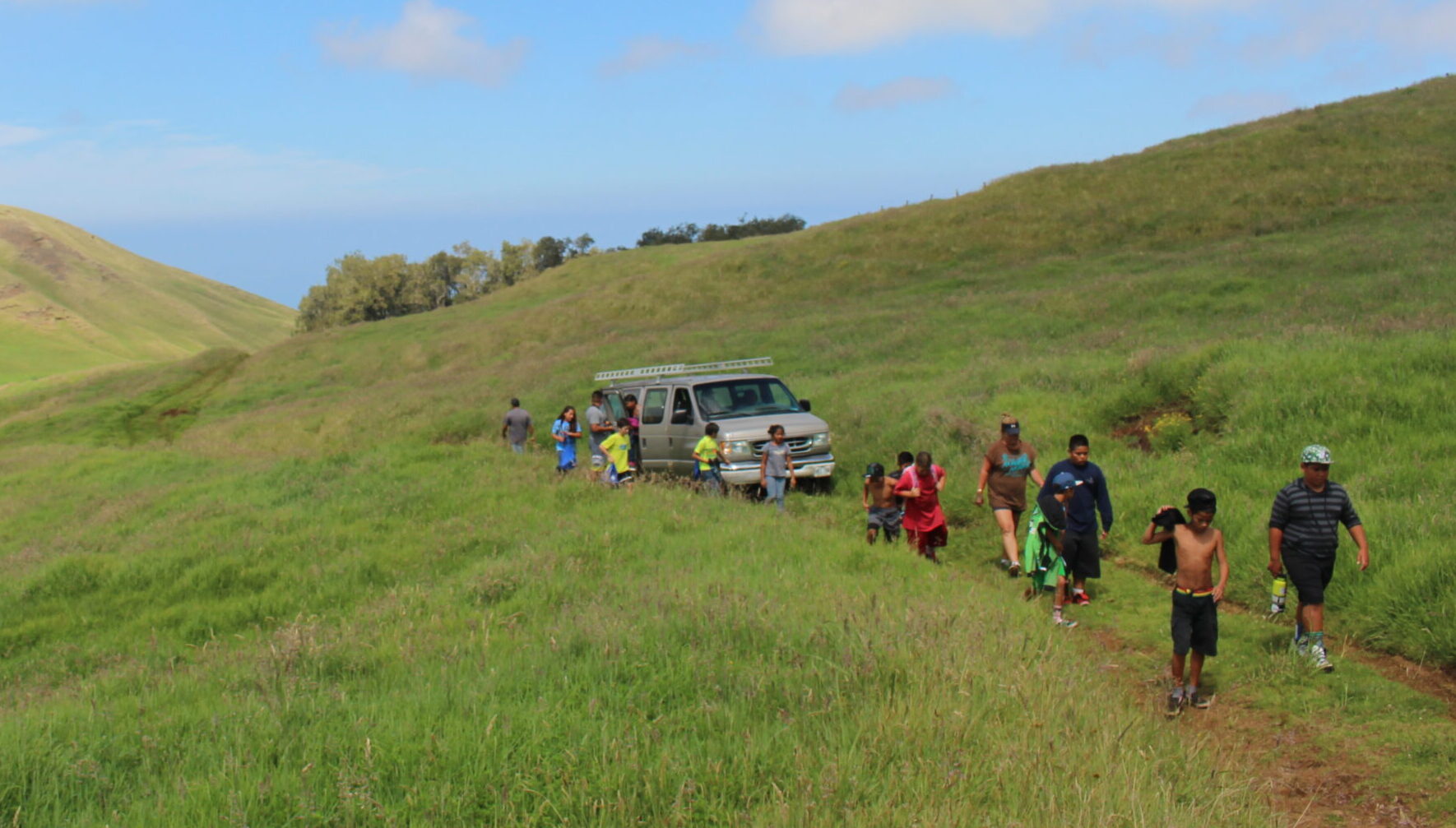
Environmental health is more than clean air and safe drinking water; it is the foundation of community survival, cultural identity, and long-term well-being. For Indigenous communities across the United States, land is not simply property. It is medicine, history, spirituality, and sustenance. When environmental hazards threaten tribal lands, they also threaten public health outcomes, food systems, and generational continuity.
Understanding how Indigenous communities protect their land requires examining the role of Tribal Law, a sovereign legal framework that empowers Native nations to govern their territories, regulate environmental risks, and safeguard community health. As environmental concerns intensify due to industrial expansion, mining, pipeline construction, and climate change, tribal governance has become increasingly central to environmental protection efforts.
The Connection Between Environmental Health and Indigenous Lands
Scientific research consistently shows that environmental degradation directly impacts public health. Contaminated groundwater increases rates of gastrointestinal illness and cancer. Air pollution contributes to respiratory disease. Toxic waste exposure raises risks of neurological disorders and developmental delays in children.
For many Indigenous communities, these risks are not hypothetical. Historical uranium mining in the Southwest left behind radioactive waste near tribal homes. Oil spills and pipeline leaks have threatened freshwater systems that serve as primary drinking sources. Industrial agriculture and mining runoff have polluted rivers relied upon for fishing and ceremonial practices.
Because tribal lands often sit near natural resource deposits, they have been disproportionately affected by extractive industries. The resulting environmental injustices have led to measurable health disparities, including higher rates of chronic illness in some Native populations.
Addressing these risks requires both scientific monitoring and strong legal authority. This is where tribal governance plays a vital role.
Tribal Sovereignty as a Public Health Tool
Federally recognized tribes are sovereign nations with the authority to govern their internal affairs. This sovereignty includes the power to enact environmental regulations, manage land use, and enforce public health protections within tribal territories.
Through Tribal Law, Indigenous governments can:
- Establish environmental quality standards
- Regulate industrial development
- Enforce water and air safety rules
- Require environmental impact assessments
- Protect sacred and culturally significant sites
This legal authority allows tribes to respond more rapidly to environmental threats compared to relying solely on federal or state intervention. In many cases, tribal environmental standards are stricter than surrounding jurisdictions, reflecting a deep cultural connection to land stewardship.
Scientific studies increasingly recognize that Indigenous land management practices—such as controlled burns, biodiversity preservation, and watershed protection—contribute positively to ecosystem health. When tribes retain authority over their lands, environmental outcomes often improve.
Water Protection and Community Health
Water security is one of the most pressing environmental health challenges in tribal communities. Access to safe, reliable drinking water is essential for preventing infectious disease, kidney disorders, and developmental health problems in children.
Yet infrastructure disparities persist. Some tribal homes lack piped water access, increasing vulnerability to contamination. Industrial activity upstream from reservations can introduce heavy metals, petroleum byproducts, and agricultural chemicals into water systems.
Under Tribal Law, tribal governments can assert regulatory authority over water quality standards and challenge projects that pose contamination risks. Legal action has been instrumental in halting or modifying infrastructure developments that threaten watersheds.
Beyond litigation, tribal environmental departments conduct water testing, monitor contaminant levels, and implement restoration projects. These efforts blend modern environmental science with traditional ecological knowledge—an approach that strengthens both data collection and cultural continuity.
Climate Change and Indigenous Adaptation
Climate change presents a growing threat to Indigenous communities. Rising temperatures, shifting rainfall patterns, and increased wildfire frequency disrupt traditional food sources and increase heat-related illness risks.
Many tribes are leading climate adaptation initiatives that integrate ecological science with ancestral knowledge. These programs include:
- Wetland restoration to reduce flooding
- Forest management to lower wildfire risk
- Sustainable agriculture projects
- Renewable energy development
Because tribes exercise governance over their territories, they can tailor environmental strategies to local conditions. Tribal legal systems allow communities to implement climate resilience plans that prioritize both health and cultural preservation.
This localized decision-making is critical. Environmental health interventions are most effective when they reflect the lived realities of the populations they serve.
Environmental Justice and Legal Advocacy
Environmental justice recognizes that marginalized communities often bear disproportionate exposure to pollution and environmental hazards. Indigenous communities exemplify this challenge due to historic land dispossession, forced relocation, and underinvestment in infrastructure.
Legal advocacy grounded in Tribal Law has become a key mechanism for advancing environmental justice. By asserting sovereign rights, tribes can negotiate directly with federal agencies, challenge harmful permits, and demand accountability from corporations.
In several high-profile cases, tribal governments have successfully influenced environmental review processes, ensuring that health impact assessments consider long-term risks to Indigenous populations.
Legal frameworks also protect cultural resources such as burial sites and sacred landscapes—that hold deep spiritual and psychological significance. Protecting these spaces supports not only environmental sustainability but also mental and community health.
The Integration of Science and Indigenous Governance
Modern environmental protection increasingly acknowledges the value of Indigenous knowledge systems. Traditional ecological knowledge, developed over centuries of observation, offers insights into sustainable land management that complement scientific methodologies.
When supported by strong Tribal Law structures, these knowledge systems can be formally integrated into environmental policy. For example, tribes may require environmental impact statements to incorporate cultural and ecological considerations that extend beyond standard regulatory checklists.
Collaborations between tribal governments, universities, and federal agencies have produced research on wildfire management, biodiversity preservation, and watershed restoration. These partnerships demonstrate that sovereignty and science are not opposing forces—they are mutually reinforcing tools for public health protection.
Looking Ahead: Strengthening Legal Frameworks for Health Equity
As environmental challenges intensify, strengthening tribal legal authority remains essential. Expanding funding for tribal environmental programs, improving infrastructure investment, and recognizing tribal regulatory authority in federal decision-making processes will be critical steps toward health equity.
Environmental health cannot be separated from land protection. For Indigenous communities, sovereignty is not abstract; it is directly tied to clean water, breathable air, and safe food systems.
By empowering tribal governments to enforce environmental standards, the United States moves closer to correcting historical injustices while promoting healthier ecosystems for all.
In the broader context of public health, Indigenous sovereignty offers a powerful model: one where governance, culture, science, and law work together to protect both people and the planet.
About the Author