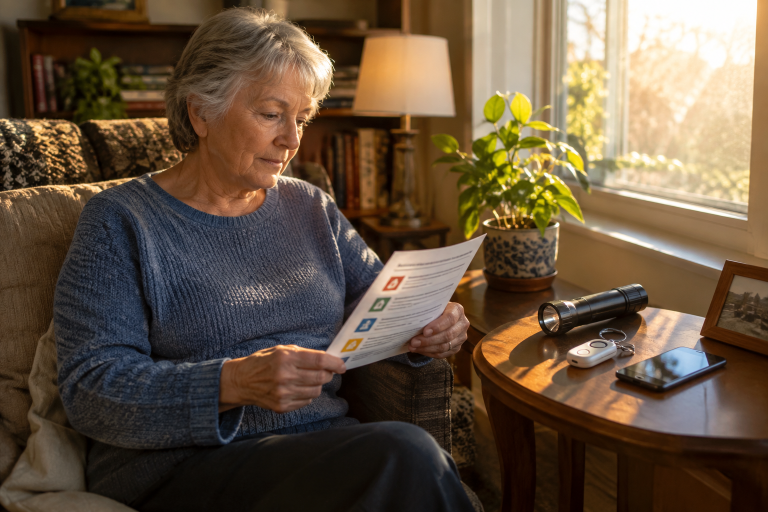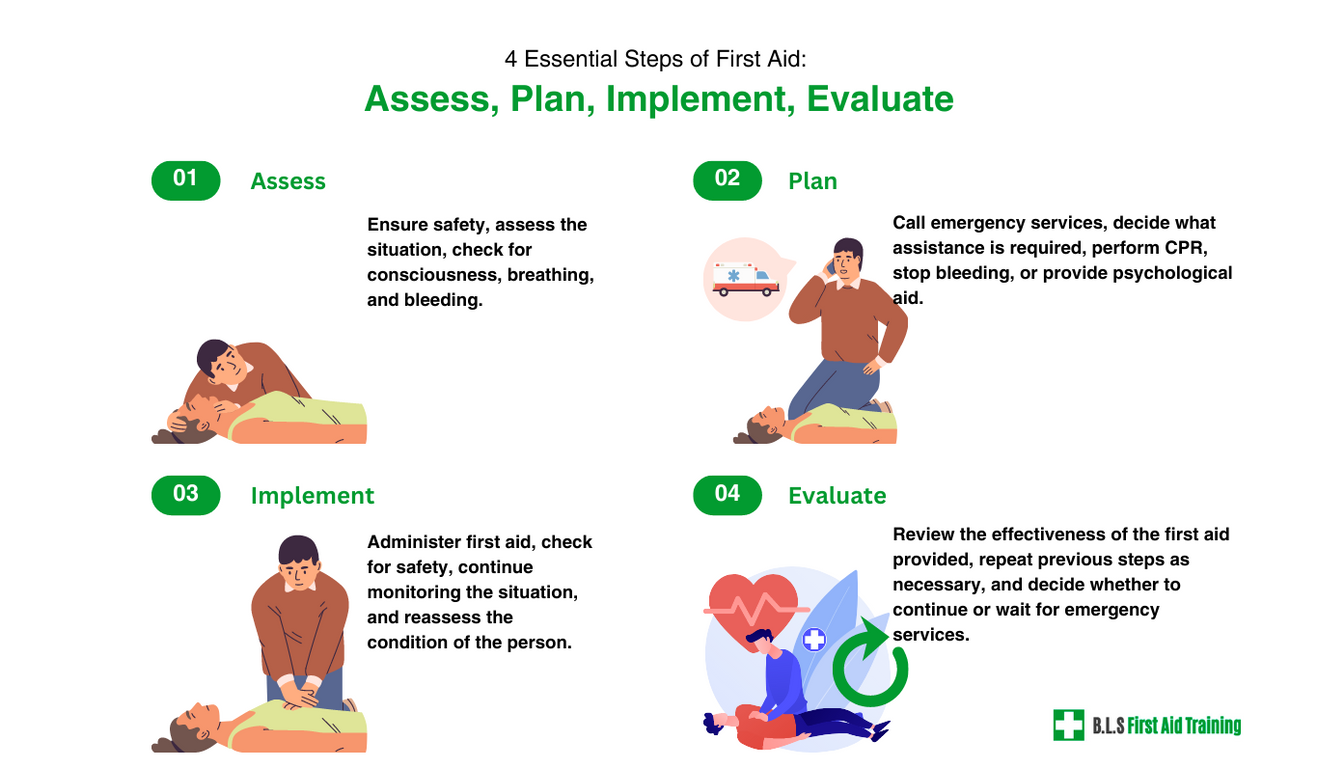
Knowing first aid principles is important, but knowing how to apply them under pressure is what truly makes a difference during emergencies. Real-life incidents rarely unfold calmly or predictably. Noise, confusion, emotional stress, and time pressure often complicate even simple situations. Practicing emergency scenarios helps bridge the gap between theoretical knowledge and real-world response. Through repeated exposure to simulated emergencies, individuals learn how to think clearly, act decisively, and adapt to unexpected challenges. This practical preparedness—often reinforced through experiences builds confidence and improves the quality of first aid response when it matters most.
Practice transforms knowledge into action.
Why Knowledge Alone Is Not Enough
Reading about first aid or watching demonstrations provides valuable information, but emergencies demand more than understanding. Under stress, people often forget steps, hesitate, or misjudge priorities.
Without practice:
- Reaction time slows
- Decision-making becomes uncertain
- Stress interferes with memory
- Confidence drops
Practicing scenarios prepares the mind and body to respond automatically.
How Practice Builds Muscle Memory
Emergency situations require quick, purposeful movement. Practicing scenarios helps develop muscle memory, allowing actions to feel natural even under pressure.
Muscle memory supports:
- Faster response times
- Reduced hesitation
- Smoother coordination
- More accurate actions
When movements become familiar, responders can focus on assessment rather than mechanics.
Reducing Panic Through Familiarity
Panic is a common barrier during emergencies. Unfamiliar situations trigger fear, which interferes with logical thinking.
Scenario practice reduces panic by:
- Making emergencies feel less intimidating
- Familiarizing responders with stress
- Teaching emotional regulation
- Encouraging steady breathing and focus
Familiarity replaces fear with clarity.
Improving Decision-Making Under Pressure
Emergencies rarely follow a script. Practicing different scenarios exposes responders to varied outcomes and challenges.
Practice improves decision-making by:
- Teaching prioritization
- Encouraging quick assessment
- Reinforcing safe judgment
- Reducing overthinking
Better decisions lead to safer outcomes.
Learning to Adapt When Conditions Change
In real emergencies, conditions often shift quickly. Practicing scenarios teaches flexibility.
Adaptability includes:
- Adjusting response when symptoms worsen
- Modifying actions based on environment
- Responding to new hazards
- Reassessing priorities continuously
Adaptable responders remain effective even when plans change.
Enhancing Communication Skills
Clear communication is essential during emergencies. Practicing scenarios improves how responders speak, listen, and coordinate with others.
Practice strengthens communication by:
- Encouraging calm, clear speech
- Teaching how to give simple instructions
- Improving teamwork
- Reducing misunderstandings
Strong communication prevents confusion and delays.
Developing Situational Awareness
Situational awareness involves understanding what is happening around you, not just focusing on one task.
Practicing scenarios helps responders:
- Notice environmental hazards
- Track multiple factors at once
- Monitor changes in condition
- Maintain scene safety
Awareness improves both personal and patient safety.
Building Confidence Through Repetition
Confidence plays a major role in emergency response. Hesitation often stems from self-doubt rather than lack of knowledge.
Scenario practice builds confidence by:
- Reinforcing correct actions
- Reducing fear of making mistakes
- Encouraging decisive behavior
- Normalizing emergency response
Confident responders act sooner and more effectively.
Identifying Common Mistakes Before They Matter
Practice allows individuals to make mistakes in a controlled environment, where learning is safe and constructive.
Scenario practice helps identify:
- Poor positioning
- Missed assessment steps
- Communication breakdowns
- Unsafe assumptions
Correcting mistakes during practice prevents them during real emergencies.
Strengthening Team Coordination
Many emergencies involve more than one responder. Practicing together improves coordination and role clarity.
Team-based practice improves:
- Task delegation
- Mutual support
- Clear leadership
- Efficient use of time
Coordinated teams respond more smoothly and safely.
Improving Speed Without Sacrificing Safety
Speed matters in emergencies, but rushed actions can cause harm. Practice teaches how to act quickly while maintaining safety.
Balanced speed involves:
- Quick assessment
- Thoughtful movement
- Prioritized actions
- Ongoing reassessment
Practice aligns urgency with caution.
Increasing Emotional Resilience
Emergencies can be emotionally overwhelming. Practicing scenarios helps build resilience and emotional control.
Emotional resilience includes:
- Managing fear
- Staying focused
- Supporting others calmly
- Recovering after stressful events
Resilient responders remain effective under pressure.
Reinforcing Safety for the Responder
Practicing scenarios emphasizes personal safety as part of first aid response.
Practice reinforces:
- Scene assessment habits
- Use of protective measures
- Awareness of personal limits
- Avoidance of unnecessary risk
Safe responders can continue helping longer.
Encouraging Lifelong Preparedness
Practicing scenarios fosters a mindset of preparedness rather than complacency.
Preparedness includes:
- Regular skill refreshment
- Ongoing awareness
- Willingness to act
- Confidence in emergency situations
Prepared individuals are assets to their communities.
Why Practice Leads to Better Outcomes
Research and experience consistently show that practiced responders achieve better outcomes. Early, confident, and accurate action reduces complications and improves recovery.
Better outcomes result from:
- Faster response
- Clearer judgment
- Reduced panic
- Improved coordination
Practice turns potential into performance.
Practice Creates Safer Communities
When more people practice emergency scenarios, overall community safety improves.
Community benefits include:
- Faster initial response
- Reduced emergency severity
- Increased mutual support
- Stronger collective resilience
Prepared communities recover more effectively from emergencies.
Conclusion
Practicing emergency scenarios is one of the most effective ways to improve first aid response. By reducing panic, strengthening decision-making, enhancing communication, and building confidence, practice prepares individuals to act decisively when emergencies occur. Familiarity with realistic situations transforms knowledge into reliable action and helps responders adapt under pressure. Experiences reinforced through opportunities such as CPR Scarborough demonstrate that practice is not about perfection—it is about readiness. When emergencies happen, those who have practiced respond with clarity, confidence, and care, making a meaningful difference when every moment counts.
About the Author