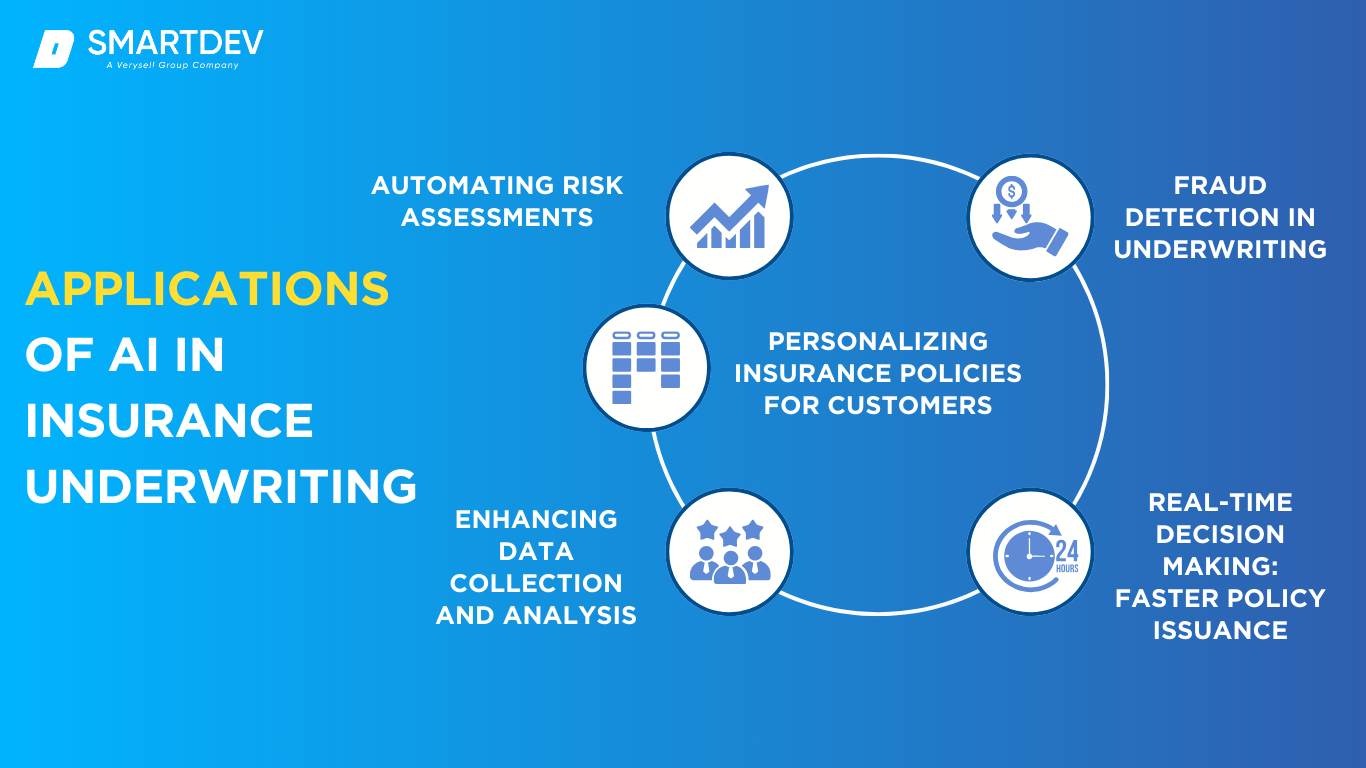
Every insurance decision is rooted in one central concept: risk. While policies may appear straightforward on the surface, the pricing, coverage options, and conditions behind them are shaped by detailed risk assessments. These assessments determine how likely a loss is to occur and how severe that loss could be. Understanding how risk is evaluated helps policyholders make informed decisions and better interpret why insurance options are structured the way they are. For many drivers comparing Nova Scotia car insurance quotes, recognizing the role of risk assessment brings clarity to what might otherwise feel like unpredictable pricing.
Insurance is not based on guesswork—it is built on measured probability and financial forecasting.
What Risk Assessment Means in Insurance
Risk assessment is the process of identifying, analyzing, and evaluating potential factors that could lead to a claim. Insurers use this process to estimate both the likelihood of an incident and the potential cost if one occurs.
This evaluation helps determine:
- Eligibility for coverage
- Pricing structures
- Coverage limits
- Policy conditions
- Long-term sustainability
Without risk assessment, insurance would lack consistency and financial stability.
Why Risk Assessment Is Necessary
Insurance operates by pooling risk across many policyholders. To maintain fairness and solvency, insurers must ensure that pricing reflects actual exposure rather than assumptions.
Risk assessment allows insurers to:
- Balance affordability with protection
- Maintain financial reserves
- Avoid underpricing high-risk scenarios
- Support long-term claims payment ability
- Create equitable pricing models
This process ensures that insurance remains viable for everyone involved.
Personal Factors That Influence Risk Evaluation
Individual characteristics play a significant role in how risk is assessed. These factors help insurers understand patterns associated with claims.
Common personal considerations include:
- Driving history
- Years of experience
- Frequency of use
- Claims patterns
- Consistency of coverage
These elements help estimate how likely a claim may occur over time.
Vehicle-Related Risk Considerations
The type of vehicle insured also affects risk assessment. Different vehicles carry different levels of exposure based on design, value, and repair complexity.
Vehicle-related factors include:
- Repair and replacement costs
- Safety technology
- Theft likelihood
- Performance capabilities
- Availability of parts
These characteristics influence both the frequency and severity of potential claims.
Geographic and Environmental Risk Factors
Location is one of the most influential components of risk assessment. Environmental and regional conditions affect exposure to certain types of claims.
Geographic considerations may include:
- Traffic density
- Road conditions
- Weather patterns
- Population trends
- Regional claim frequency
These factors reflect broader risk patterns rather than individual behavior alone.
Behavioral Patterns and Risk Signals
Beyond basic data, insurers analyze behavioral indicators that may signal increased risk. These patterns are assessed over time rather than based on isolated events.
Behavioral indicators include:
- Frequency of small claims
- Gaps in coverage
- Changes in usage habits
- Consistency of policy details
- Long-term stability
Patterns often matter more than single incidents when evaluating risk.
How Risk Assessment Shapes Pricing
Pricing is the most visible outcome of risk assessment. Higher perceived risk generally leads to higher premiums, while lower risk supports more favorable pricing.
Pricing reflects:
- Expected claim frequency
- Estimated claim severity
- Administrative and operational costs
- Long-term risk trends
This approach ensures that pricing remains aligned with real-world exposure.
Effective risk identification requires examining specific geographic variables, such as regional weather patterns or localized crime statistics, that fundamentally alter the probability of a claim. These external factors are often paired with personal history to build a complete profile of potential exposure. Stakeholders who wish to find out more about how regional nuances impact these evaluations can look to detailed local reporting and historical loss data. By synthesizing these diverse data streams, underwriters can refine their models to ensure that premiums remain both fair and sustainable. Ultimately, this granular approach allows for a more accurate reflection of the true risk distribution within a given population.
Risk Assessment and Coverage Options
Risk assessment does not only influence price—it also affects the type and level of coverage available.
This can impact:
- Coverage limits
- Deductible options
- Eligibility for certain protections
- Policy flexibility
Understanding this connection helps explain why coverage options may vary between individuals.
The Role of Historical Data
Risk assessment relies heavily on historical data. Insurers analyze years of claim information to identify trends and forecast future outcomes.
Historical data supports:
- Predictive modeling
- Risk classification
- Pricing accuracy
- Long-term financial planning
Data-driven analysis allows insurers to respond to changing conditions with greater accuracy.
Why Risk Assessment Evolves Over Time
Risk is not static. Changes in technology, driving behavior, infrastructure, and environment continuously reshape risk profiles.
Evolving risk assessment reflects:
- Advancements in vehicle technology
- Shifts in commuting habits
- Economic changes
- Environmental trends
- Regulatory adjustments
This evolution explains why insurance pricing and coverage may change even without personal incidents.
Understanding Risk Assessment as a Policyholder
While policyholders cannot control every risk factor, understanding how assessment works allows for more informed decisions.
Awareness helps individuals:
- Interpret pricing changes realistically
- Avoid unnecessary frustration
- Maintain accurate policy details
- Review coverage proactively
- Plan long-term with confidence
Knowledge transforms insurance from a mystery into a manageable system.
Balancing Individual Control and External Factors
Some elements of risk assessment are within personal control, while others are shaped by broader conditions.
Controllable aspects include:
- Driving behavior
- Coverage consistency
- Policy accuracy
- Claim frequency
Uncontrollable aspects include economic trends, environmental conditions, and regional data. Recognizing this balance helps set realistic expectations.
Why Risk Assessment Supports Fairness
Risk-based pricing may feel complex, but it is designed to promote fairness. By aligning cost with exposure, insurers avoid spreading high risk costs evenly across all policyholders.
This fairness supports:
- Sustainable insurance systems
- Long-term affordability
- Responsible risk sharing
- Financial stability
Risk assessment protects both policyholders and insurers.
Using Risk Awareness to Make Smarter Decisions
When policyholders understand risk assessment, they can approach insurance decisions strategically rather than emotionally.
Risk awareness encourages:
- Proactive coverage reviews
- Informed adjustments
- Long-term thinking
- Greater confidence
Better decisions stem from understanding how and why insurance works.
Conclusion
Risk assessment is the foundation of every insurance decision, shaping pricing, coverage options, and long-term sustainability. By analyzing personal behavior, vehicle characteristics, location, and historical data, insurers create structured systems that reflect real-world exposure. Understanding this process helps policyholders interpret changes, plan proactively, and make informed choices.
About the Author