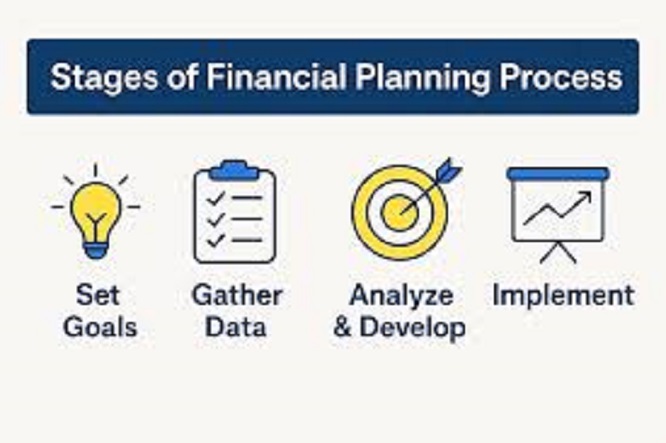
Financial goals are easy to imagine but often difficult to achieve. Many people know what they want—security, flexibility, a comfortable future—but struggle to translate those ambitions into clear, manageable actions. This gap between intention and execution is where financial clarity becomes essential. Financial clarity is not about complexity or perfection; it is about understanding priorities, defining direction, and creating practical steps that move goals forward. With guidance from professionals such as Financial Advisors Barrie, many individuals learn how to transform vague financial hopes into structured, achievable plans.
Clarity removes confusion. It replaces uncertainty with purpose and helps people make decisions confidently rather than reactively.
Why Financial Clarity Matters
Without clarity, financial decisions are often driven by emotion, urgency, or habit. This leads to scattered efforts that feel busy but fail to produce meaningful progress.
Financial clarity helps individuals:
- Understand where they stand financially
- Identify what truly matters
- Avoid conflicting priorities
- Reduce decision fatigue
- Focus effort where it has the greatest impact
When clarity exists, progress becomes intentional rather than accidental.
Defining Goals With Purpose
Goals are most effective when they are specific and meaningful. General intentions such as “save more” or “spend less” lack direction. Clarity begins by defining goals in a way that connects them to real outcomes.
Purpose-driven goals are:
- Clearly defined
- Personally meaningful
- Time-aware
- Realistic
- Aligned with values
When goals have purpose, motivation becomes more sustainable and action feels worthwhile.
Breaking Goals Into Actionable Steps
Large goals can feel overwhelming when viewed as a whole. Actionable planning breaks long-term objectives into smaller, manageable steps.
This process helps individuals:
- Identify immediate actions
- Track progress more easily
- Adjust plans without losing momentum
- Maintain confidence through small wins
- Avoid procrastination
Actionable steps transform abstract goals into daily or monthly behaviors that drive progress.
Understanding Financial Priorities
Not all goals can be pursued at once. Financial clarity requires prioritization—deciding which goals matter most right now and which can wait.
Clear priorities allow individuals to:
- Allocate resources intentionally
- Avoid overcommitment
- Reduce guilt around trade-offs
- Focus attention effectively
- Align decisions with long-term direction
Prioritization creates structure without eliminating flexibility.
Creating Structure Without Rigidity
Structure supports progress, but rigidity can create frustration. Effective financial plans balance discipline with adaptability.
Structured planning includes:
- Defined savings and spending boundaries
- Regular review points
- Built-in flexibility for change
- Clear benchmarks for progress
- Simple, repeatable systems
This balance ensures plans remain practical and relevant as life evolves.
Turning Intentions Into Consistent Habits
Goals are achieved through habits, not one-time decisions. Financial clarity reinforces habits that support long-term success.
Helpful habits include:
- Regular saving, even in small amounts
- Routine financial check-ins
- Tracking progress toward goals
- Reviewing decisions periodically
- Adjusting plans thoughtfully
Consistency builds momentum and strengthens confidence over time.
Reducing Financial Stress Through Clarity
Unclear plans create mental noise. Financial clarity simplifies decision-making and reduces stress by providing direction.
Reduced stress results from:
- Knowing what actions to take next
- Understanding trade-offs
- Avoiding constant decision-making
- Feeling prepared for uncertainty
- Trusting the planning process
Peace of mind grows when individuals feel in control rather than reactive.
Aligning Financial Actions With Values
Financial clarity improves when goals reflect personal values. When money decisions support what matters most, progress feels meaningful rather than forced.
Values-based planning helps individuals:
- Spend with intention
- Save with purpose
- Avoid regret-driven decisions
- Feel satisfied with trade-offs
- Stay motivated during challenges
Alignment between values and actions strengthens long-term commitment.
Monitoring Progress Without Obsession
Tracking progress is important, but obsession can lead to burnout. Financial clarity encourages balanced monitoring—enough to stay informed without becoming overwhelmed.
Healthy progress monitoring includes:
- Periodic reviews rather than constant checking
- Focus on trends, not short-term fluctuations
- Adjustments based on insight, not emotion
- Recognition of milestones
- Patience with the process
This approach supports clarity without unnecessary pressure.
Adapting Plans as Life Changes
Life changes do not invalidate plans—they require refinement. Financial clarity includes acknowledging that goals and circumstances evolve.
Adaptable planning allows individuals to:
- Update priorities
- Adjust timelines
- Reallocate resources
- Respond to unexpected events
- Maintain direction during change
Adaptation keeps plans relevant and achievable.
Accountability Strengthens Follow-Through
Clarity improves when individuals hold themselves accountable for decisions and outcomes. Accountability turns intention into responsibility.
Accountability supports action by:
- Encouraging consistency
- Highlighting areas for improvement
- Reinforcing commitment
- Building self-trust
- Supporting long-term discipline
Follow-through becomes easier when expectations are clear.
Clarity Builds Confidence Over Time
Confidence grows when people understand their financial direction and see evidence of progress. Financial clarity replaces doubt with trust in the process.
Over time, individuals experience:
- Reduced anxiety
- Stronger decision-making
- Improved financial discipline
- Greater peace of mind
- Sustainable progress
Confidence is built gradually through clarity and consistency.
Conclusion
Creating financial clarity is the key to turning goals into actionable, achievable plans. By defining priorities, breaking objectives into manageable steps, and building consistent habits, individuals transform financial intention into meaningful progress. Clarity reduces stress, improves decision-making, and strengthens confidence during change. With thoughtful guidance from professionals financial clarity becomes a powerful foundation for long-term stability and purpose. Ultimately, progress begins not with more information—but with clearer direction and intentional action.
About the Author